“We wrap our relationship with the
weavers closely around us”
says Harkhuben Rabari, a sheep and goat herder
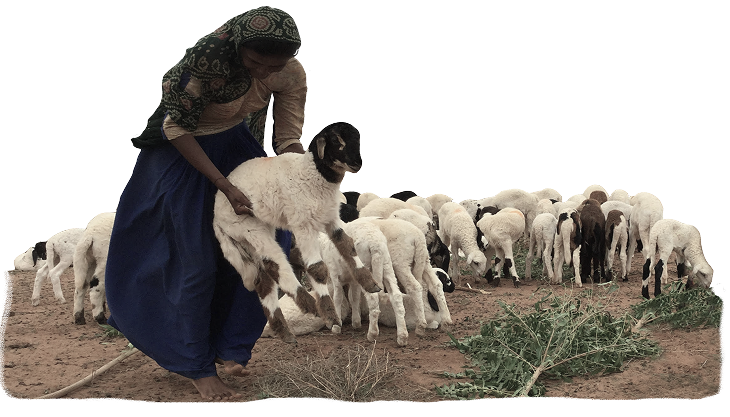
The Rabaris, who largely bred the indigenous and wooly sheep breeds called Marwadi, Patanwadi,
and Makdi till recently, have shared a symbiotic relationship with the weaving community of
Vankars in Kutch for many generations. They specialize in weaving the thick and coarse wools of
these breeds, and even today, Rabari village settlements will also have Vankars living alongside.
Historically, Rabaris supplied hand spun woolen yarn to the Vankars and received woven Ludkis and Dhabdas from the Rabaris. In turn, the Rabaris also gave surplus wool to the weavers for their own use. The Rabaris held the reins of this relationship ensuring that the weavers gave them the quality they wanted. It was not uncommon for the Rabari to come to the Vankar’s loom and count the warp threads to keep a check on the quality!
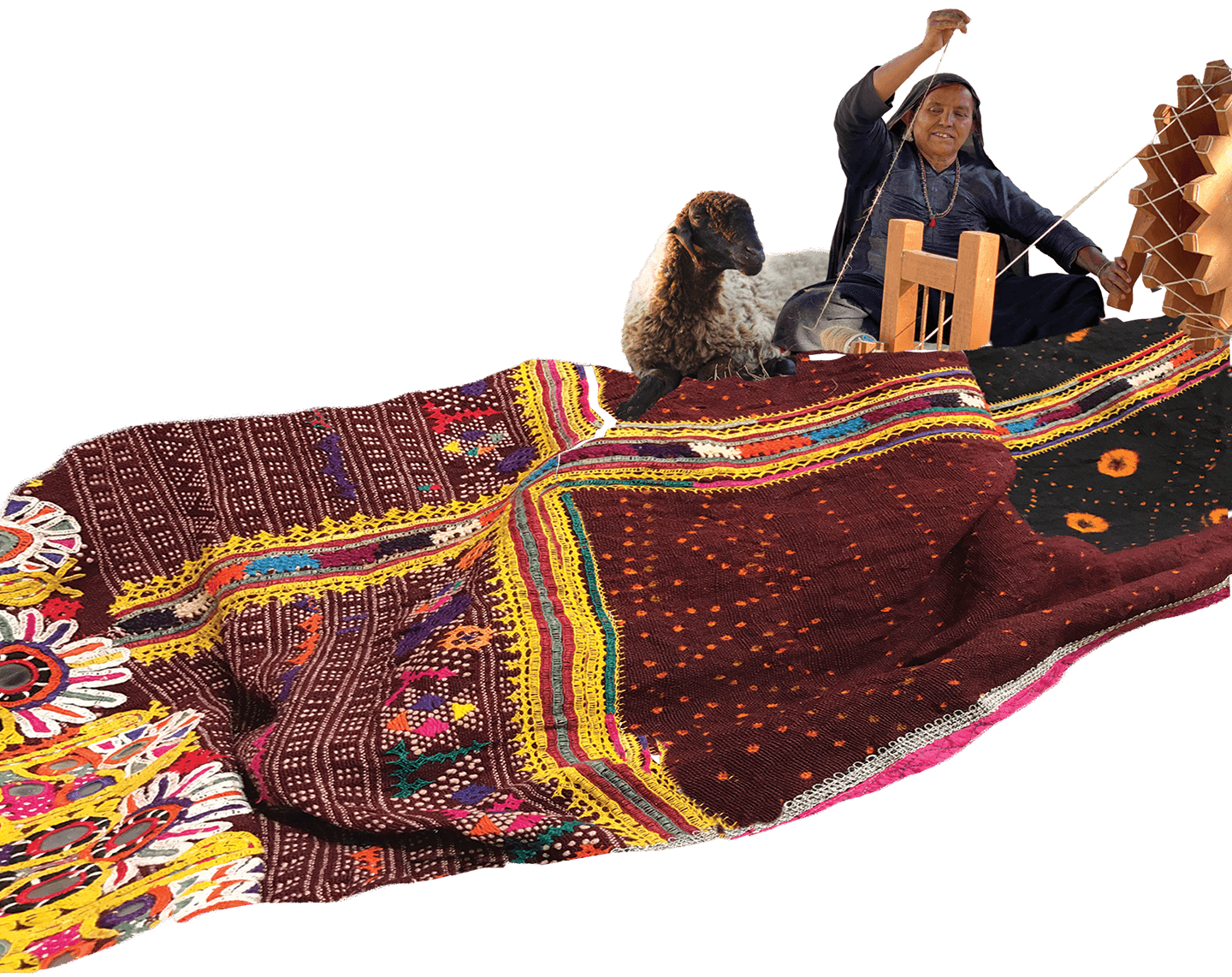
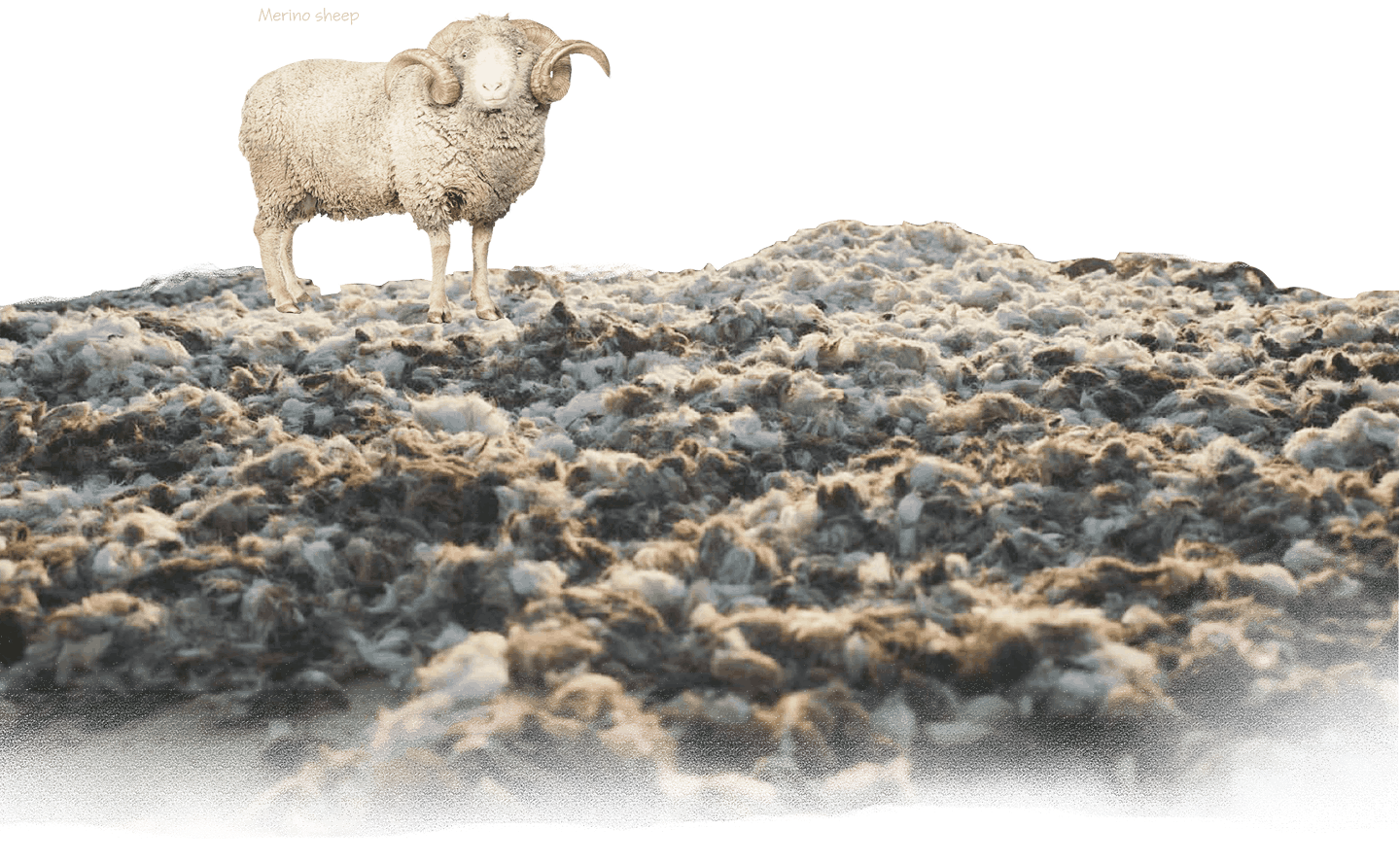
Through the past three decades, with the arrival of softer, longer length, machine spun merino wool from Australian and New Zealand into India, the texture of the Rabaris relationship with the Vankars weakened, while demand for local wool came crashing down. Today, while the weaver’s looms stay busy and entwined in imported merino wool, the Rabari’s shear the thick wool off their local sheep and toss it by the wayside, filling the streets with this local wool which waits in search of a market.
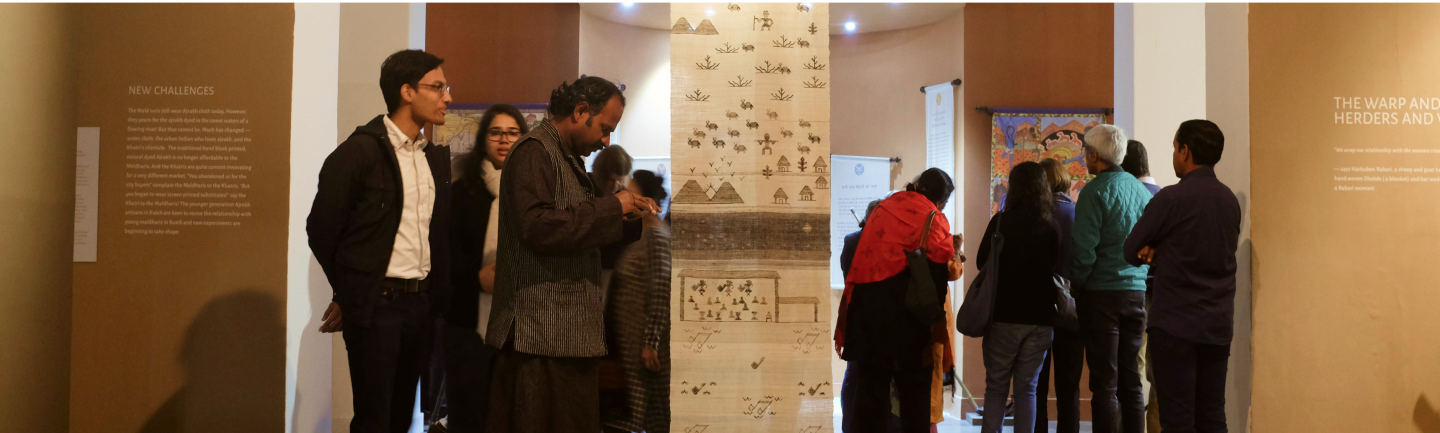
In Kutch, the Rabari shepherds and Vankars weavers are coming together again, to shape new
initiatives, in the wake of this exhibition. They are co-creating a range of locally shorn, hand-spun
wool textiles from their native sheep breed for the contemporary market. It is a new bond which
celebrates enduring ties and a bold beginning to restart their wool economy and craft culture.,
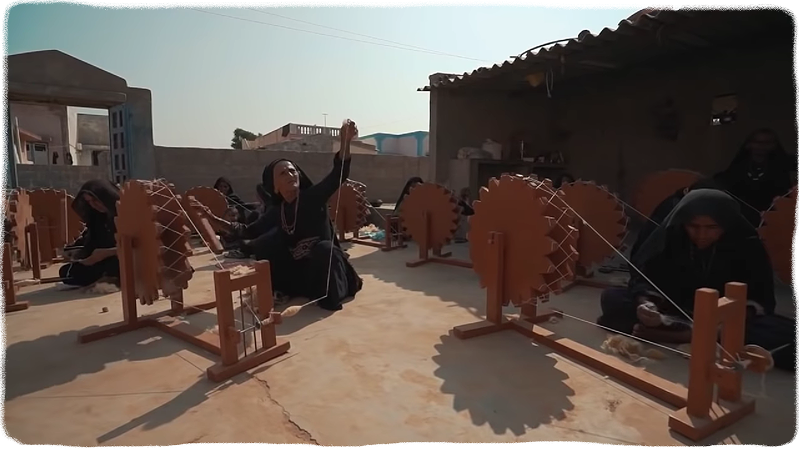
A film made on the wool craft of Kachchh by Khamir: Yarn of Hope