Exhibitions & Events Venues
Delhi
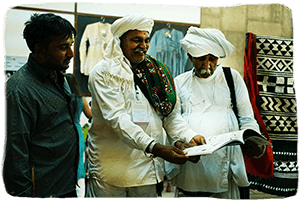
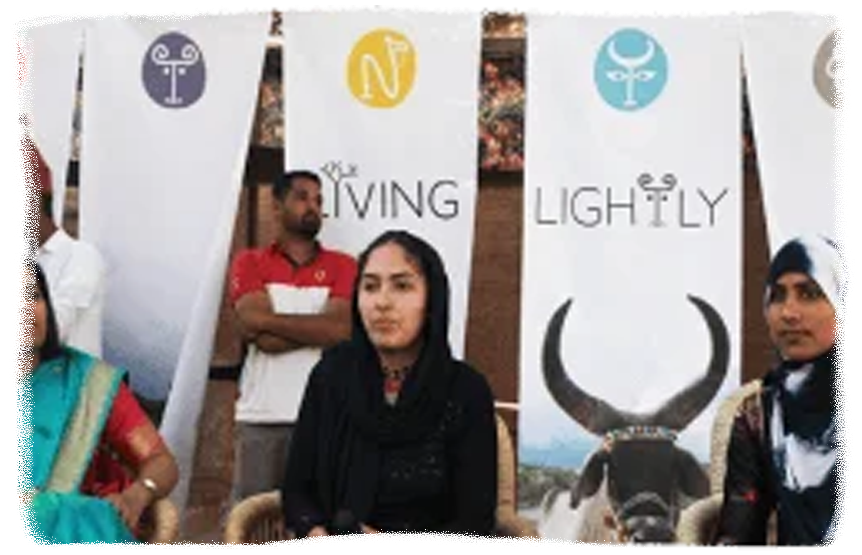
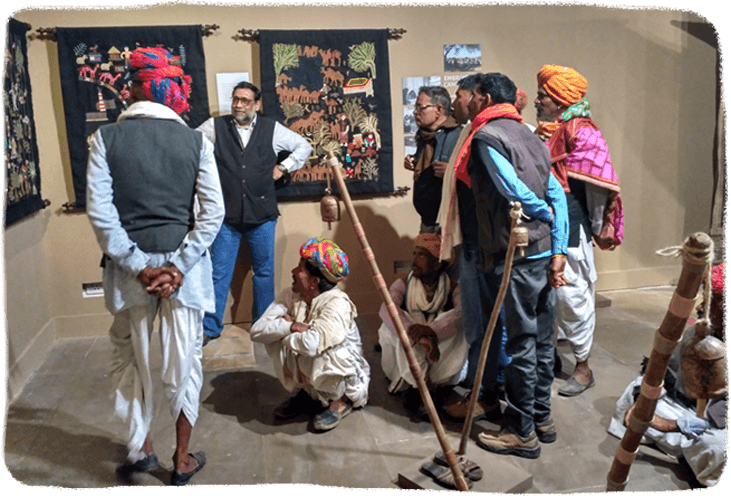
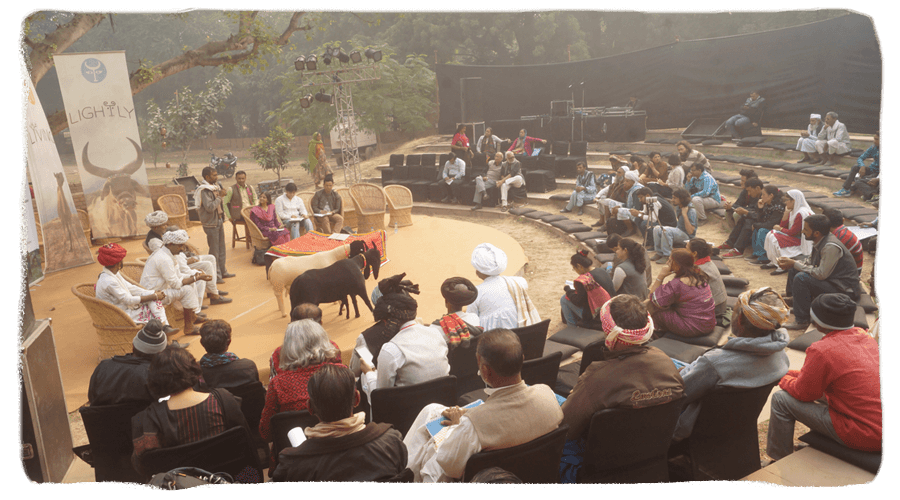
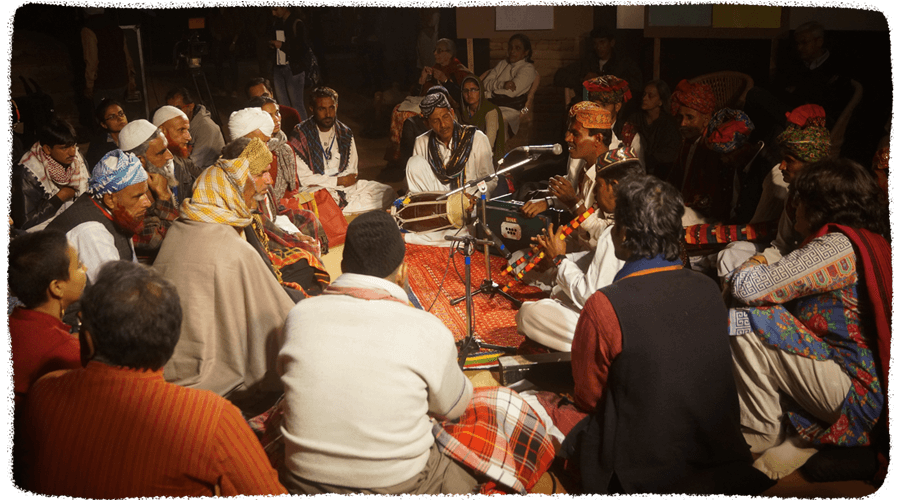
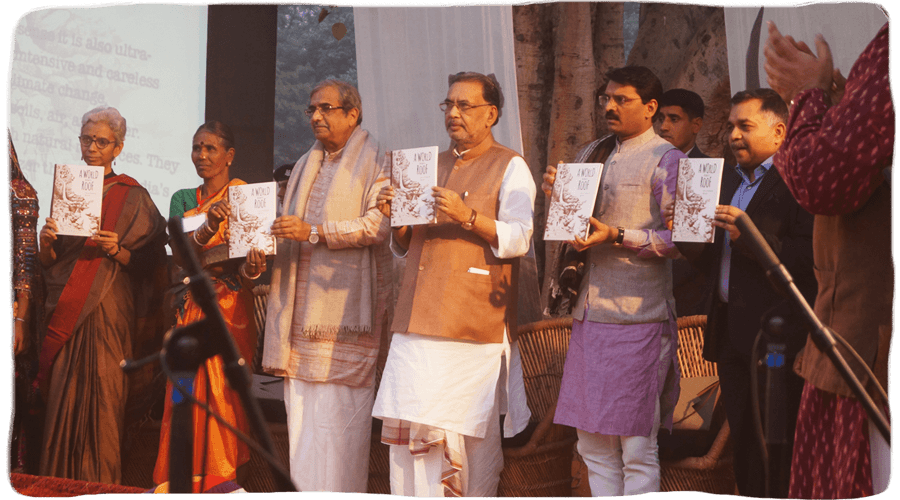
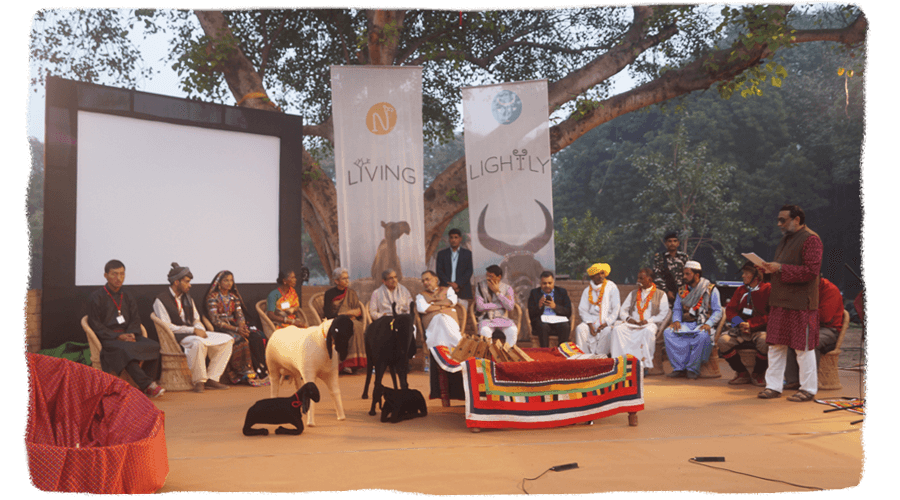
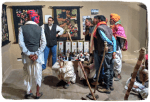
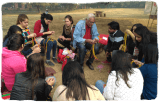
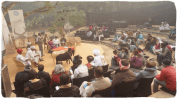
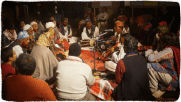
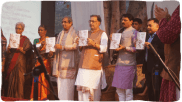
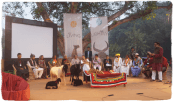
The first Living Lightly exhibition and events on pastoralism was organized in IGNCA, New Delhi by Sahjeevan and FES in December 2016. The exhibition concluded with promising ideas, thoughts and suggestions for the future of pastoralism in India.
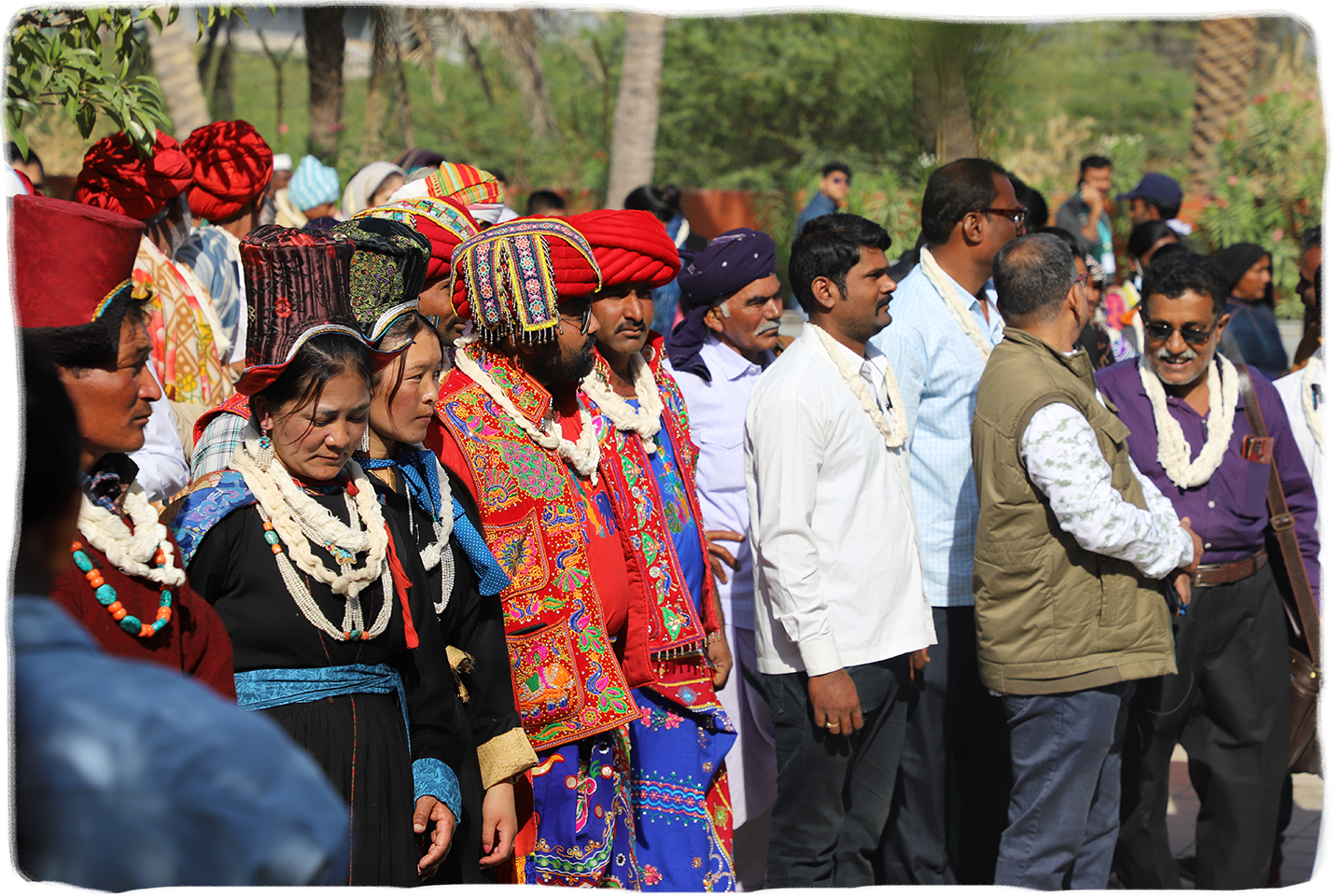
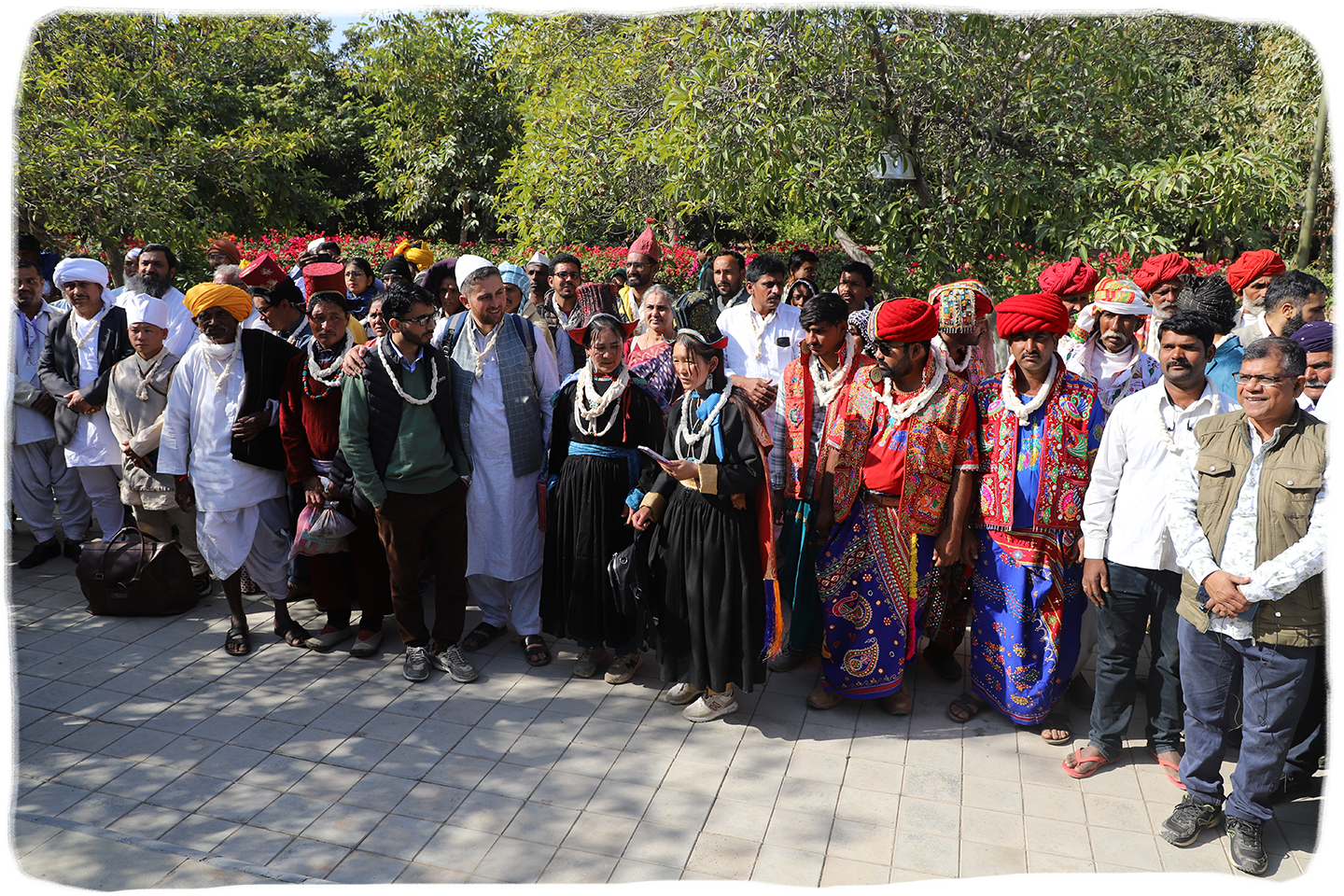
This was a remarkable event that brought together pastoralists from more than 10 states of India; academics from India, Kenya, the United States and Europe, policy makers that included the then Union Minister of Agriculture, Shri Radha Mohan Singh, and the then Minister of State for Agriculture, Shri Purshottam Rupala, the then Minister for Women and Child Development Smt. Maneka Gandhi, senior politicians such as Smt. Sonia Gandhi, representatives of civil society actors from across the country, media and a large number of school children and government officials.
Donors: Ford Foundation, SDC, Transpek, Agrocel, Asha Kiran, Aarti Foundation, FAO, HBF, Excel Industries, TPCDT, BRLF, Hunnarshala
Foundation, Shroff Family Charitable Trust, Kesar Group. Donald Peck, Reshma Patel
Ahmedabad,
Gujarat
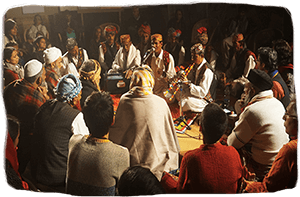
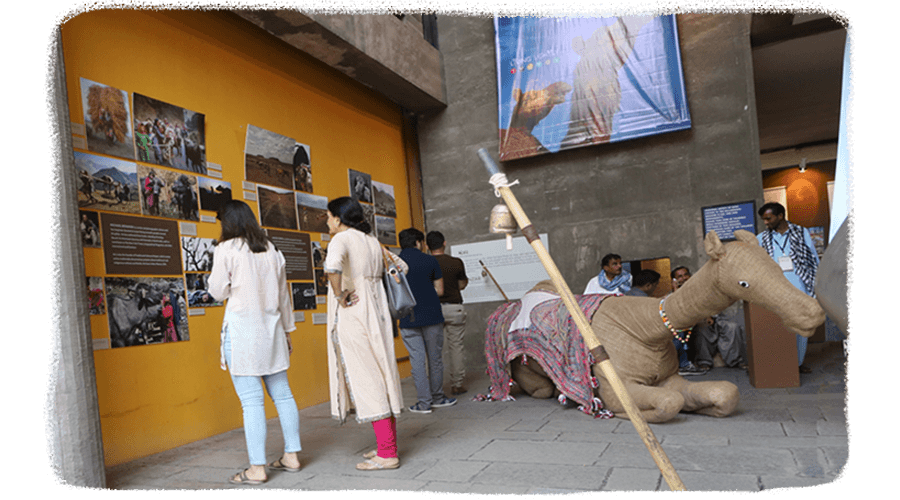
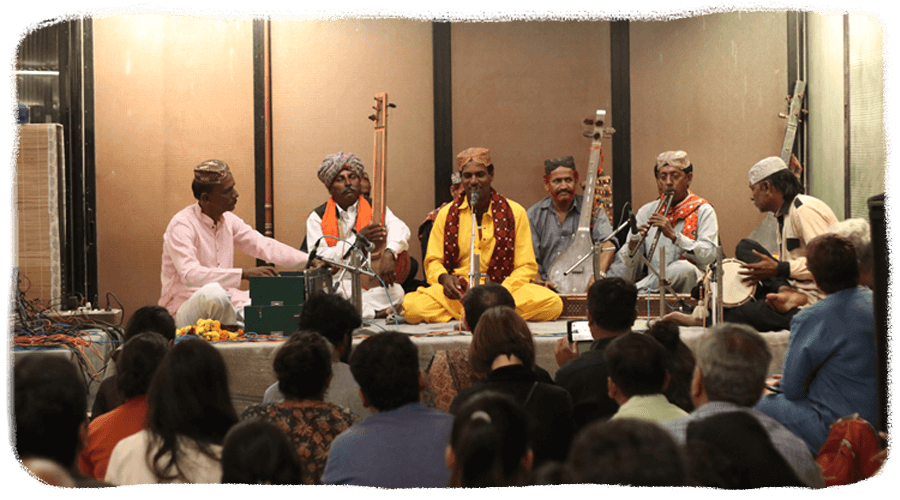
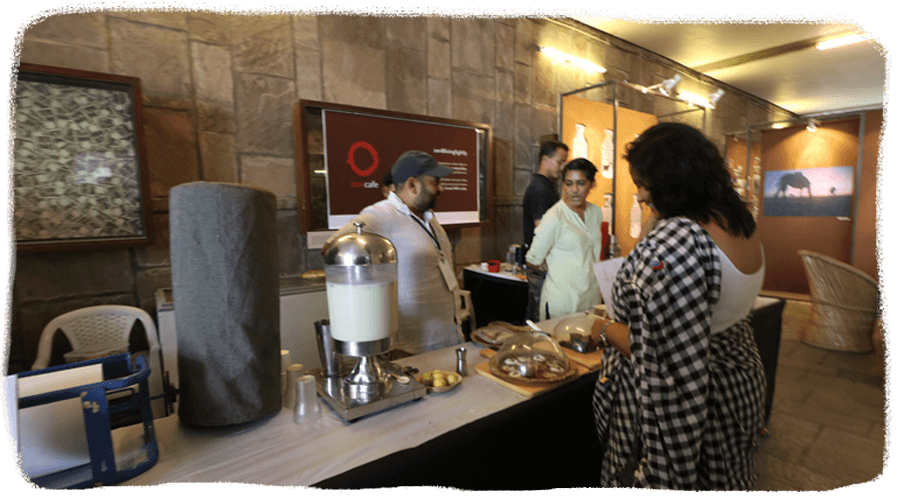
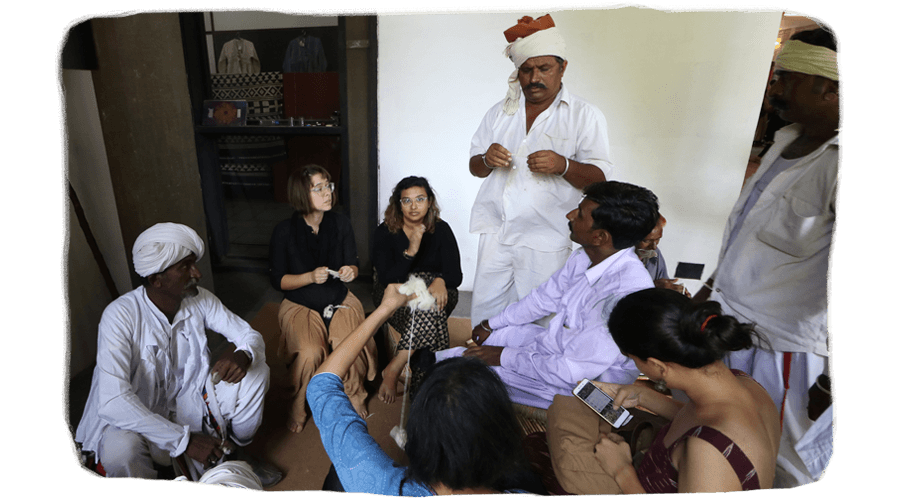
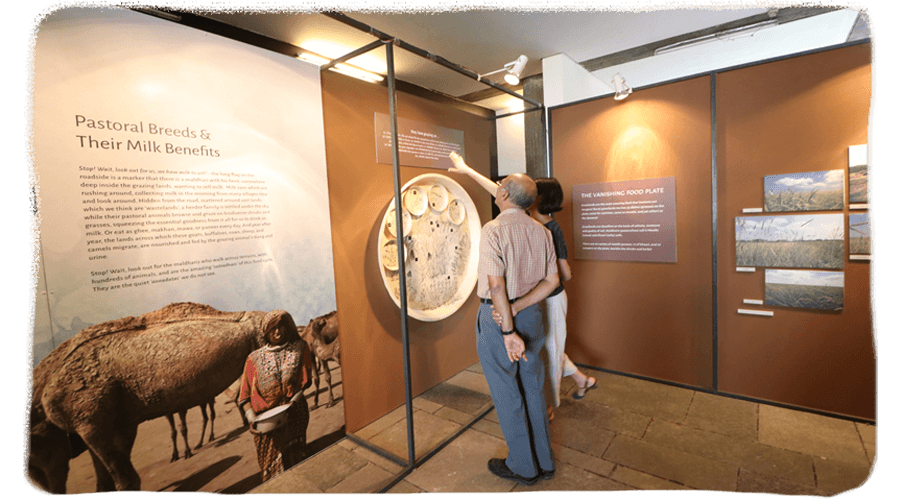
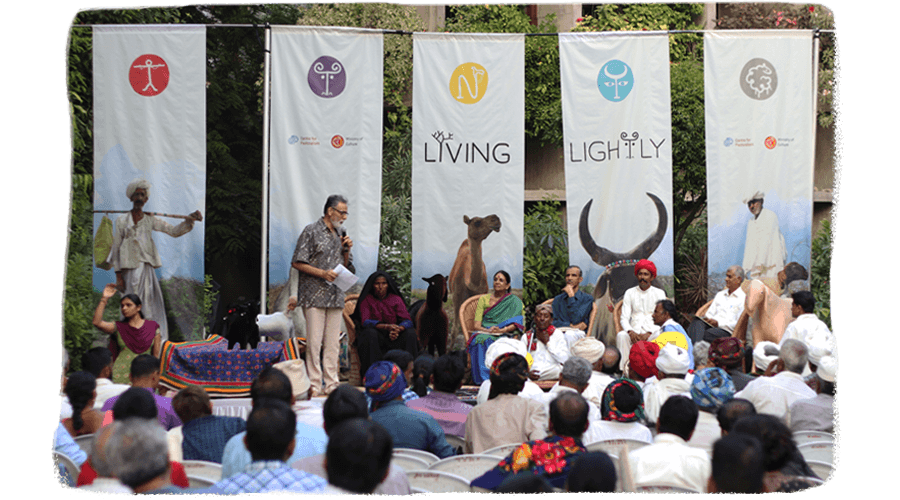
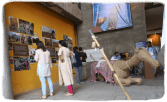
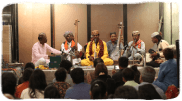
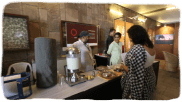
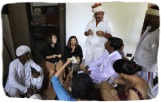
The second edition of the Living Lightly exhibition was held over four days at the iconic ATMA Building in Ahmedabad in October 2017. This of the event was hosted by the Centre for Pastoralism, and saw a range of consultations, including those on breeds, livelihoods, access to grazing rights, potential for artisinal pastoral cheeses, and pastoral craft practices. Once again pastoral community leaders, a union minister, senior government officials, practitioners, academics, students, craft enthusiasts and citizens participated with great gusto.
Donors: Ministry of Culture, Govt. of India, Axis Bank Foundation, HBF, Adani Solar, and Agrocel
Rishikesh,
Uttrakhand
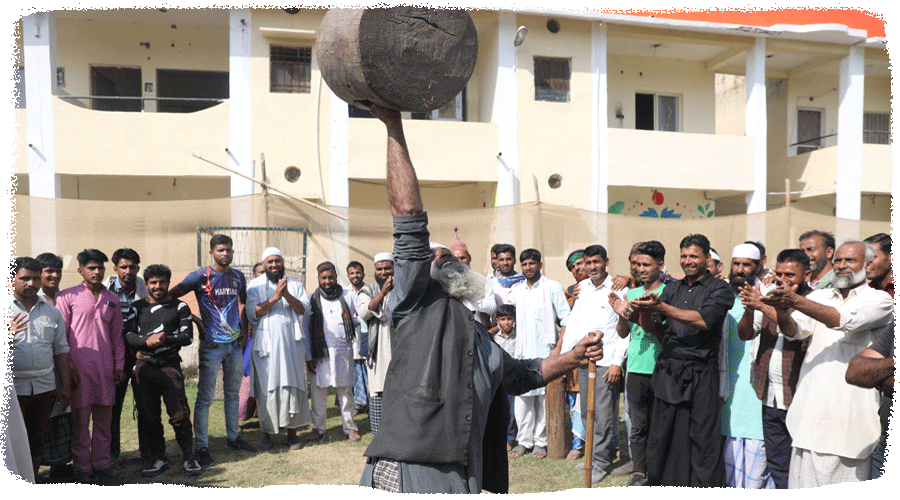
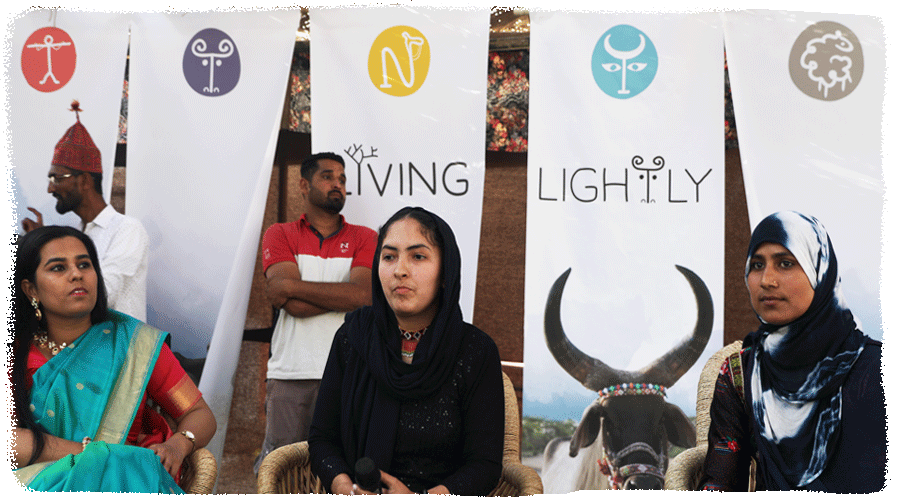
In March 2022, the third edition of the Living Lightly exhibition and event was hosted in collaboration with the Van Gujjar Yuva Sangathan inside the Rajaji National Park in Rishikesh, Uttarakhand. The Utsav was a celebration of the pastoral culture, ecology and economy of the Van Gujjars. A condensed version of the Living Lightly exhibition on the pastoralists of Kachchh was on display, alongside an exhibit put together by Van Gujjar youth on their narratives. Apart from over 500 men, women and children from the Van Gujjar community that participated in the Utsav, the local MLA, various government department functionaries, civil society representatives, academics, members of the media, artists and students attended the event.
The event spotlighted Van Gujjars’ issues within the local administration. It also opened up opportunities for Van Gujjar women to participate more actively with the Yuva Tribal Sangathan. As an immediate outcome of the Gujjaran go Kaarj event, the Uttarakhand government set up the ‘One Health Programme’ to integrate human, environmental, and animal health.
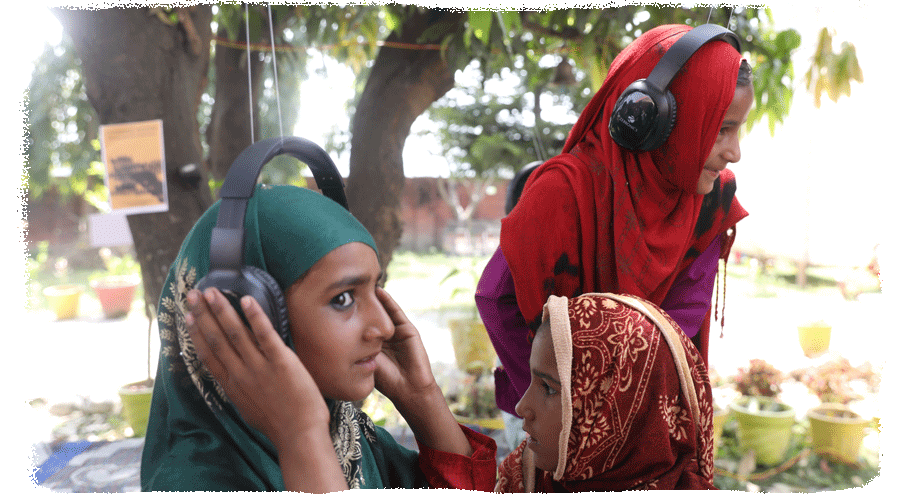
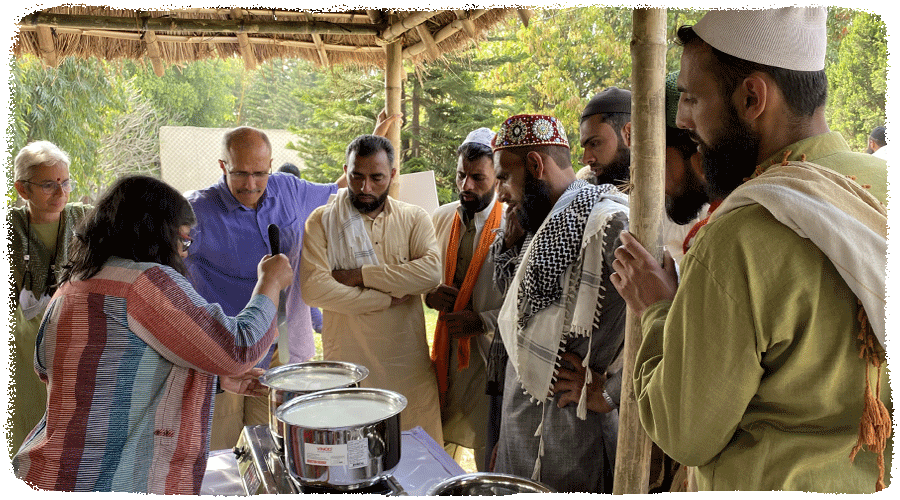
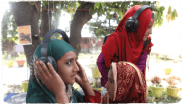
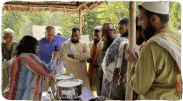
A glimpse into Gujraan go Kaarj events
Shiv Nadar Institution of Eminence,
Greater Noida, Uttar Pradesh
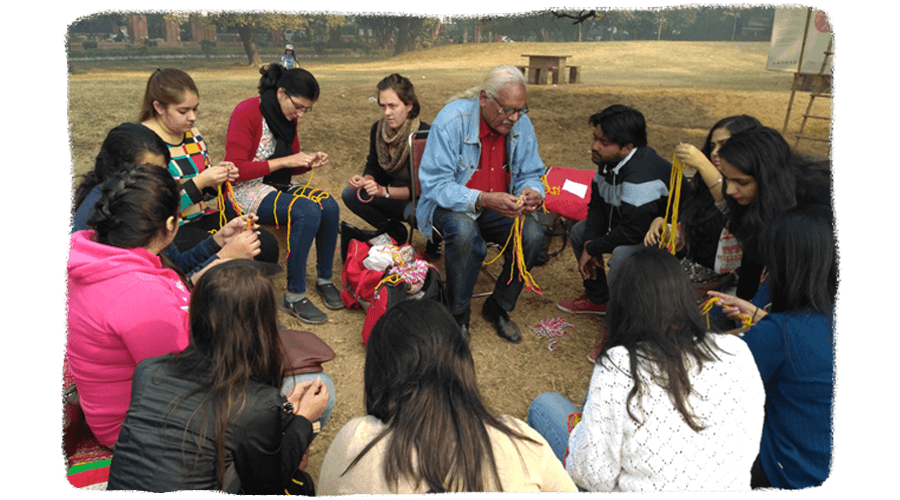
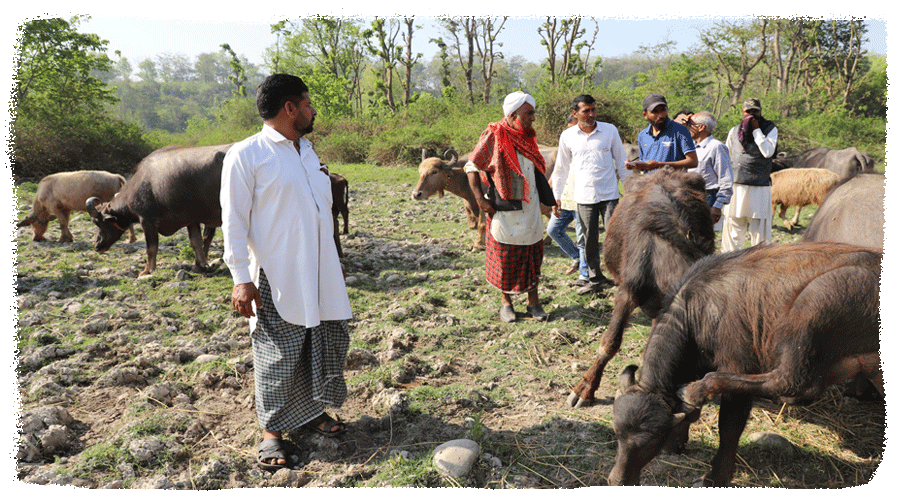
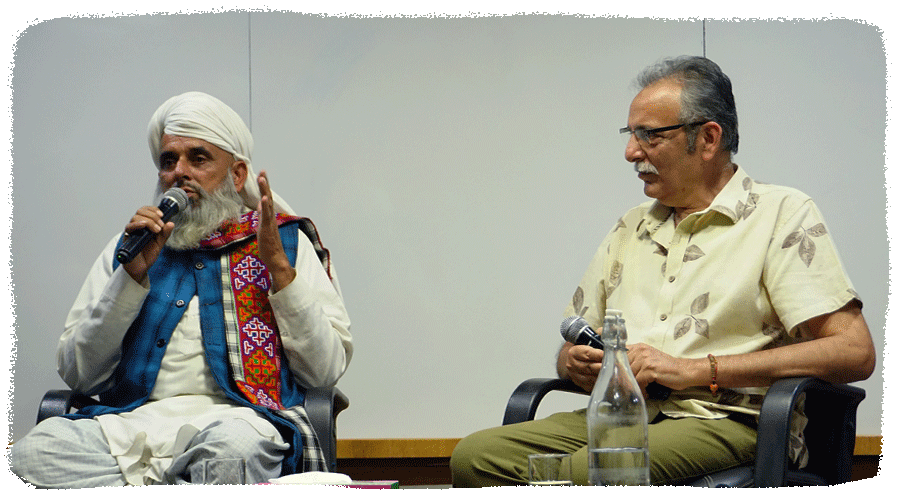
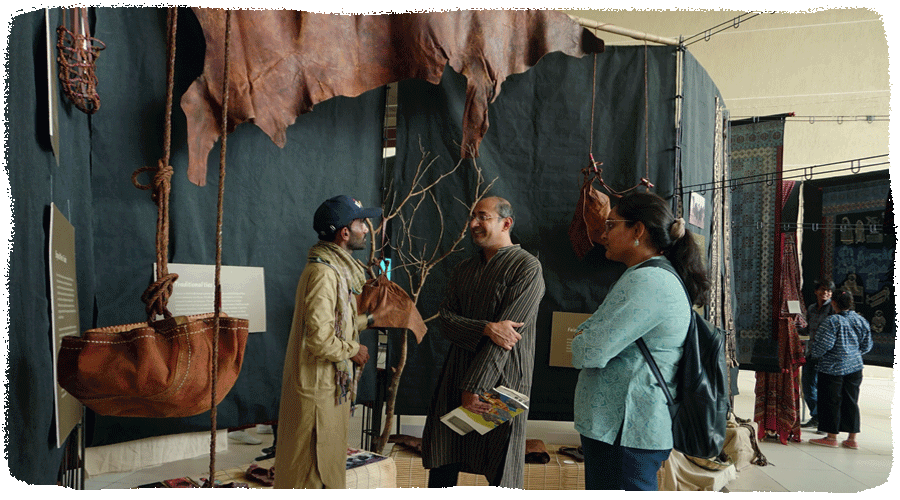
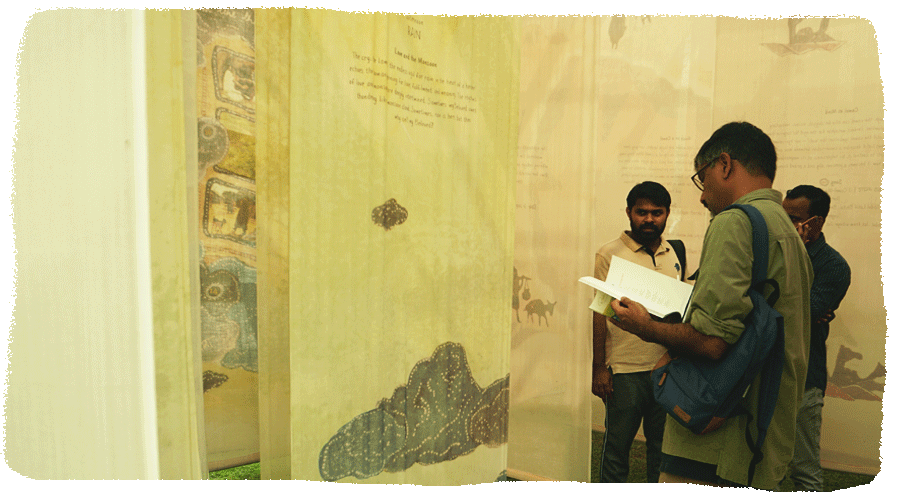
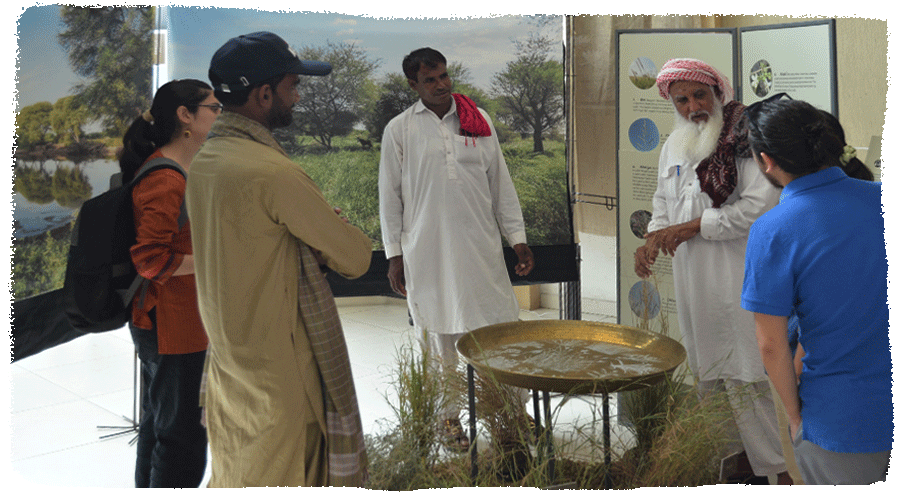
Between Nov 5-8, 2022, the fourth edition of living lightly was hosted in collaboration with the Shiv Nadar Institution of Eminence at their Delhi NCR campus. The exhibition created a vibrant platform for students and faculty to engage with the world of pastoralists inspiring students to develop a deeper understanding and appreciation about pastoralism.
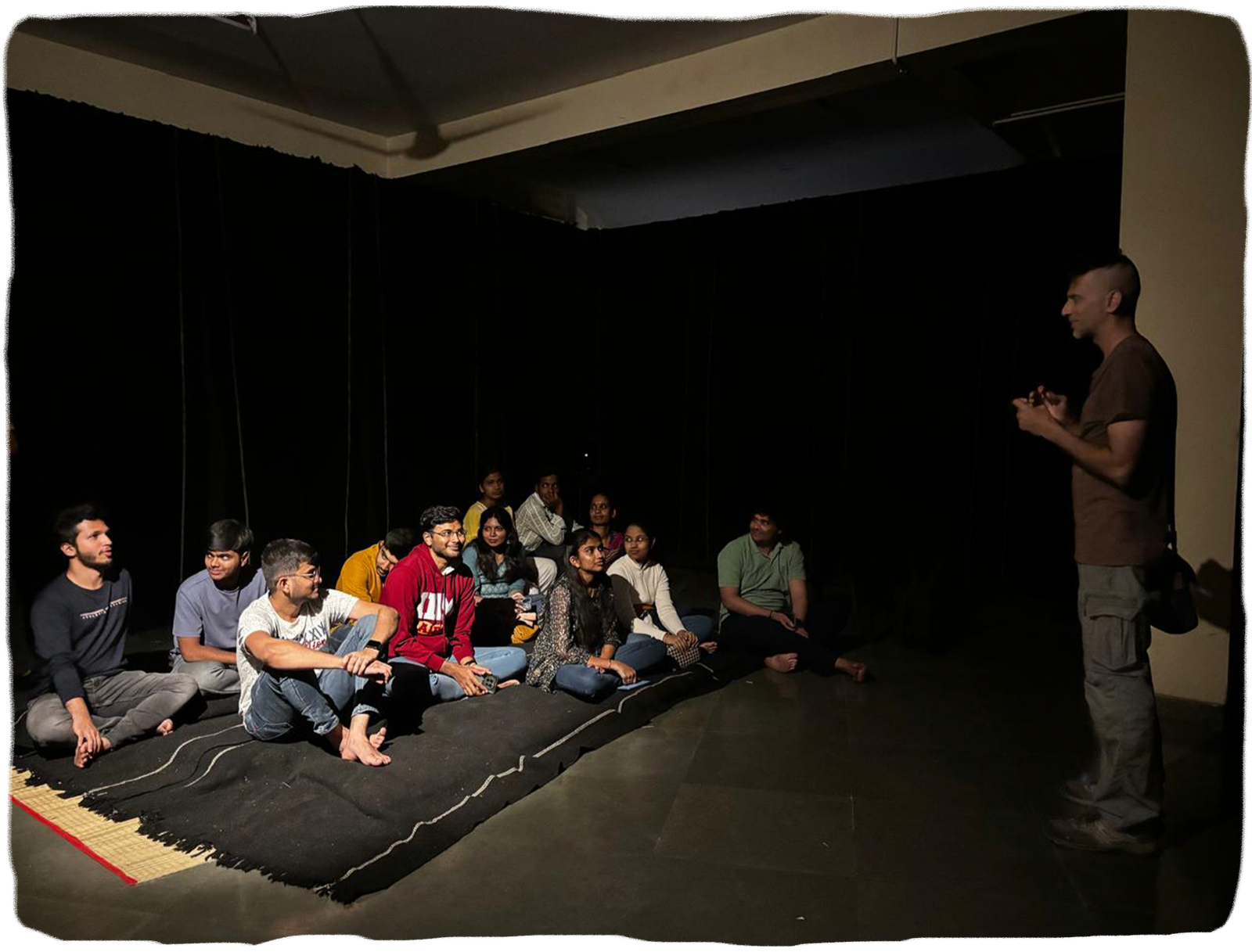
A series of academic talks and presentations by distinguished scholars from different disciplines accompanied the exhibition, demystifying ideas of adaptation, variability, mobility and resilience in the context of pastoralism and enabling dialogue and discussion on pastoralism that went beyond the traditional classroom setting.
Living and Learning Design Centre,
Bhuj, Kachchh, Gujarat
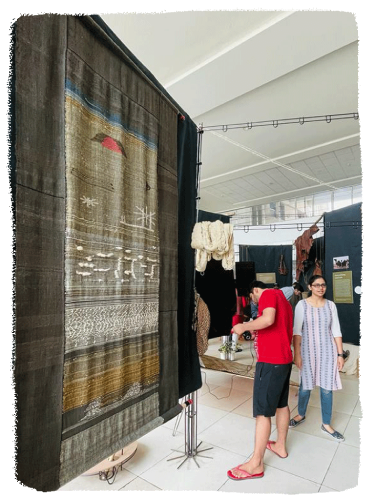
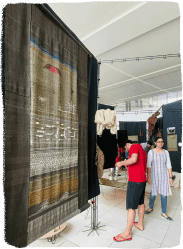
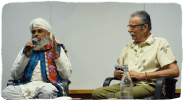
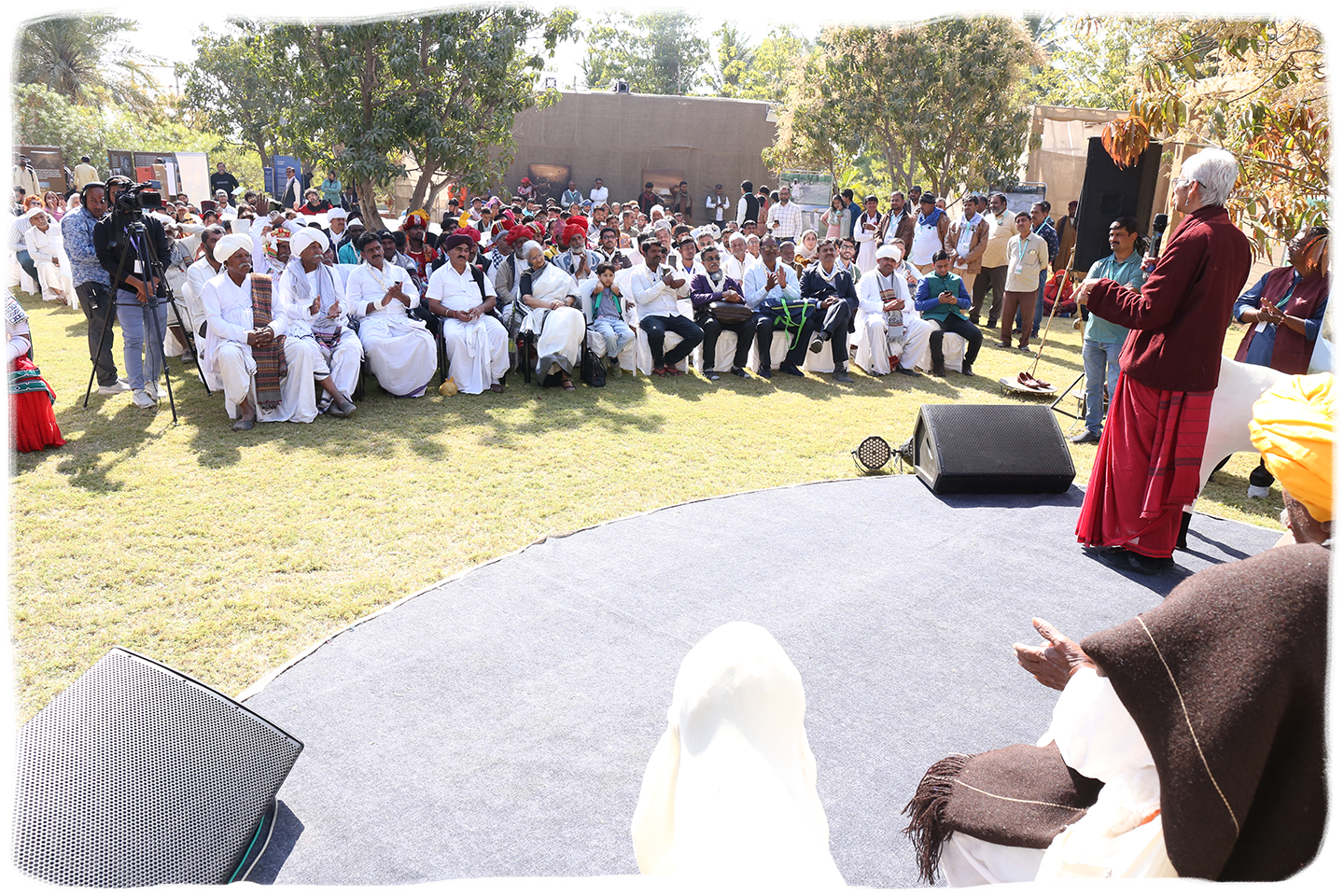
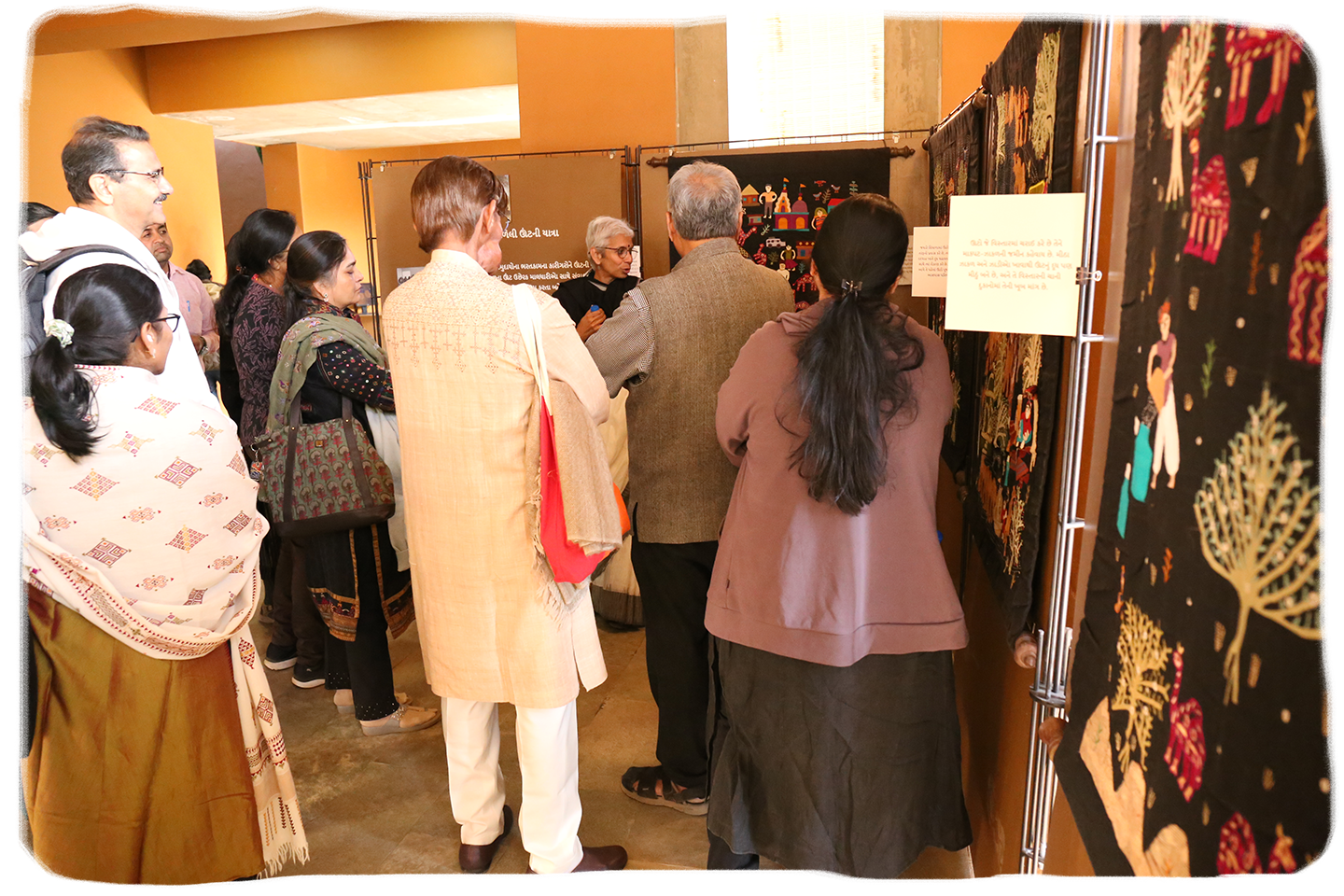
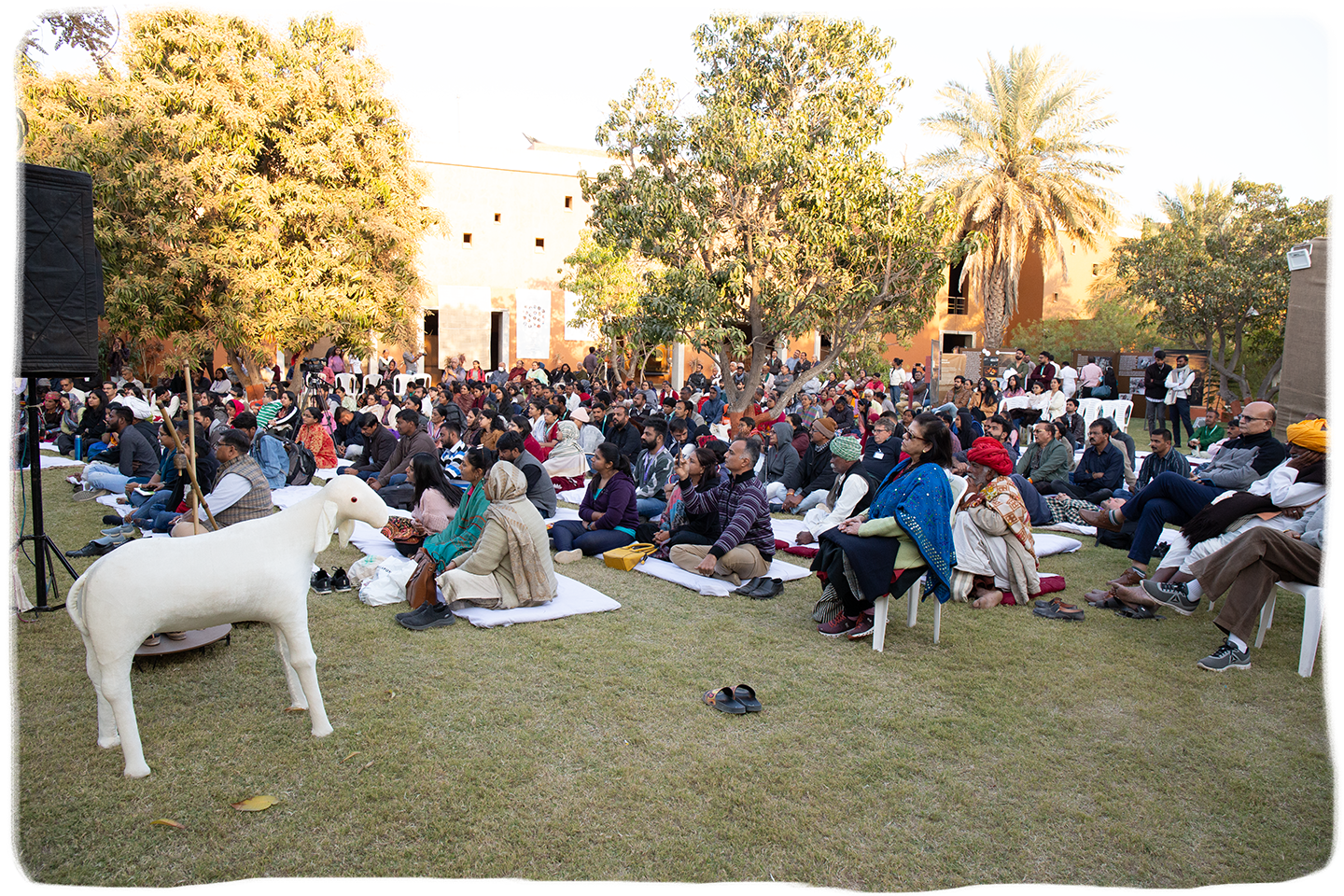
In its fifth edition, the Living Lightly exhibition with Kutch narratives had a homecoming. In January 2023, the Shrujan Living and Learning Design Centre Museum in Bhuj organized the Living Lightly Winter Festival in collaboration with Centre for Pastoralism and Sahjeevan. Pastoral youth from across India gathered for a consultation which led to the formation of a pan India pastoral youth alliance.
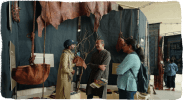
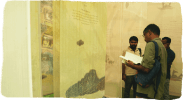
For five days, the museum became a confluence of sensorial experiences, with stories, images, flavors, and music of the pastorals. First-time highlights included Homes on the Move, an immersive exhibit where pastoralists demonstrated the art of living lightly and carrying their homes atop pack animals! And a special exhibit by the PASTRES project from IDS, Sussex, presented photo essays on pastoralism, uncertainty and resilience from six countries.
Visitors got a taste of pastoralism in a uniquely curated space called Khanabadosh ka Khana where people flocked to savour the food plates and artisanal cheeses from 7 States of India, while at Sanjha Bazaar, 17 craft groups showcased crafts from the material world of pastoralism.
Pastoral Films from India, Bhutan, Mongolia, and Iran ran to packed audiences throughout the 5 days alongside a day-long ‘Bhitai se Bhet’ musical event which saw audiences immerse themselves in the mystic world of the sufi poet Shah Abdul Latif Bhitai, a household name for pastoralists across Kutch and Sindh. The festival concluded with an enthralling theater performance of the Gujarati play- ‘Akoopar’ on the Bharwad’s bond with the Gir Forest.
Bengaluru
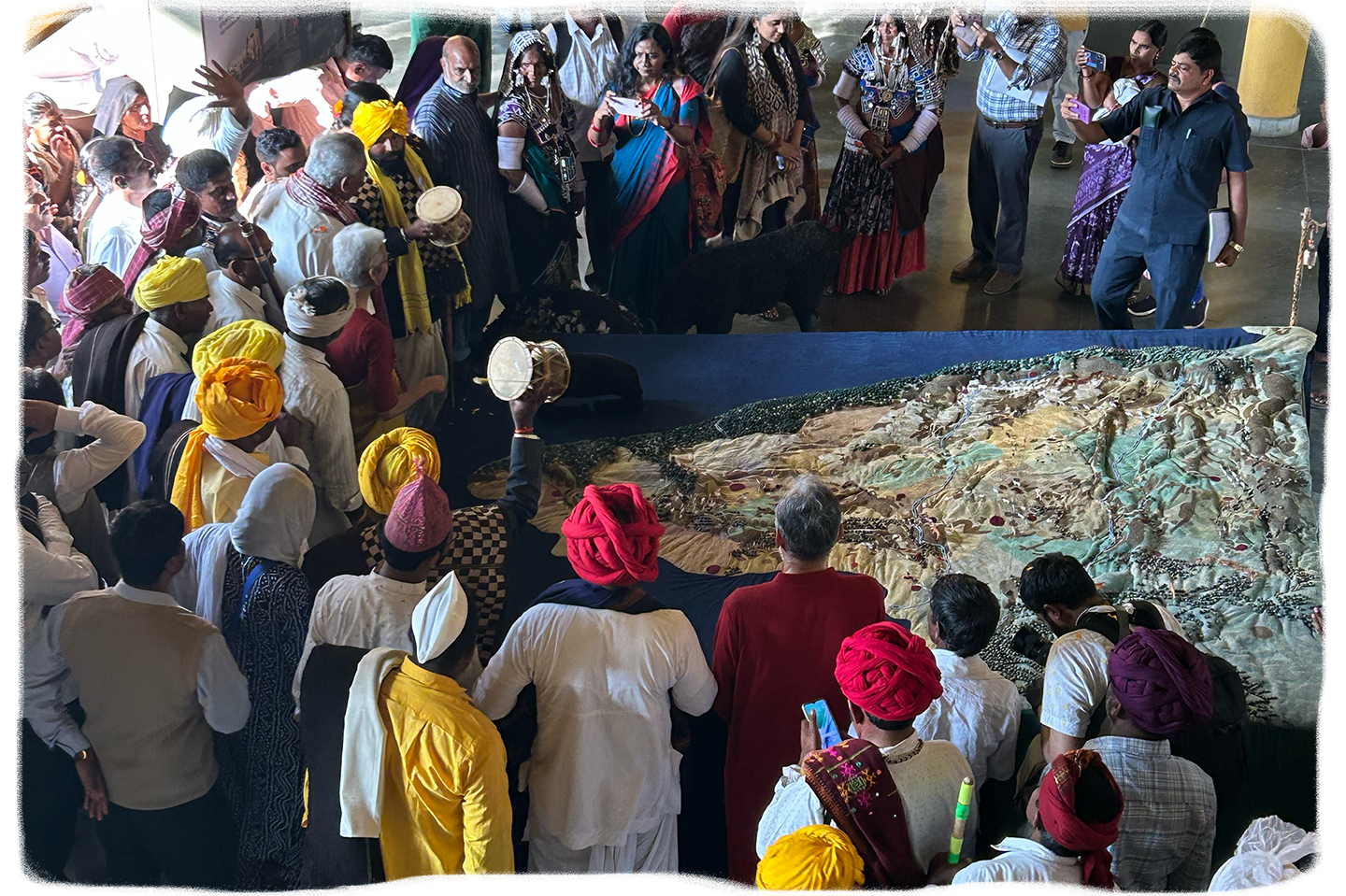
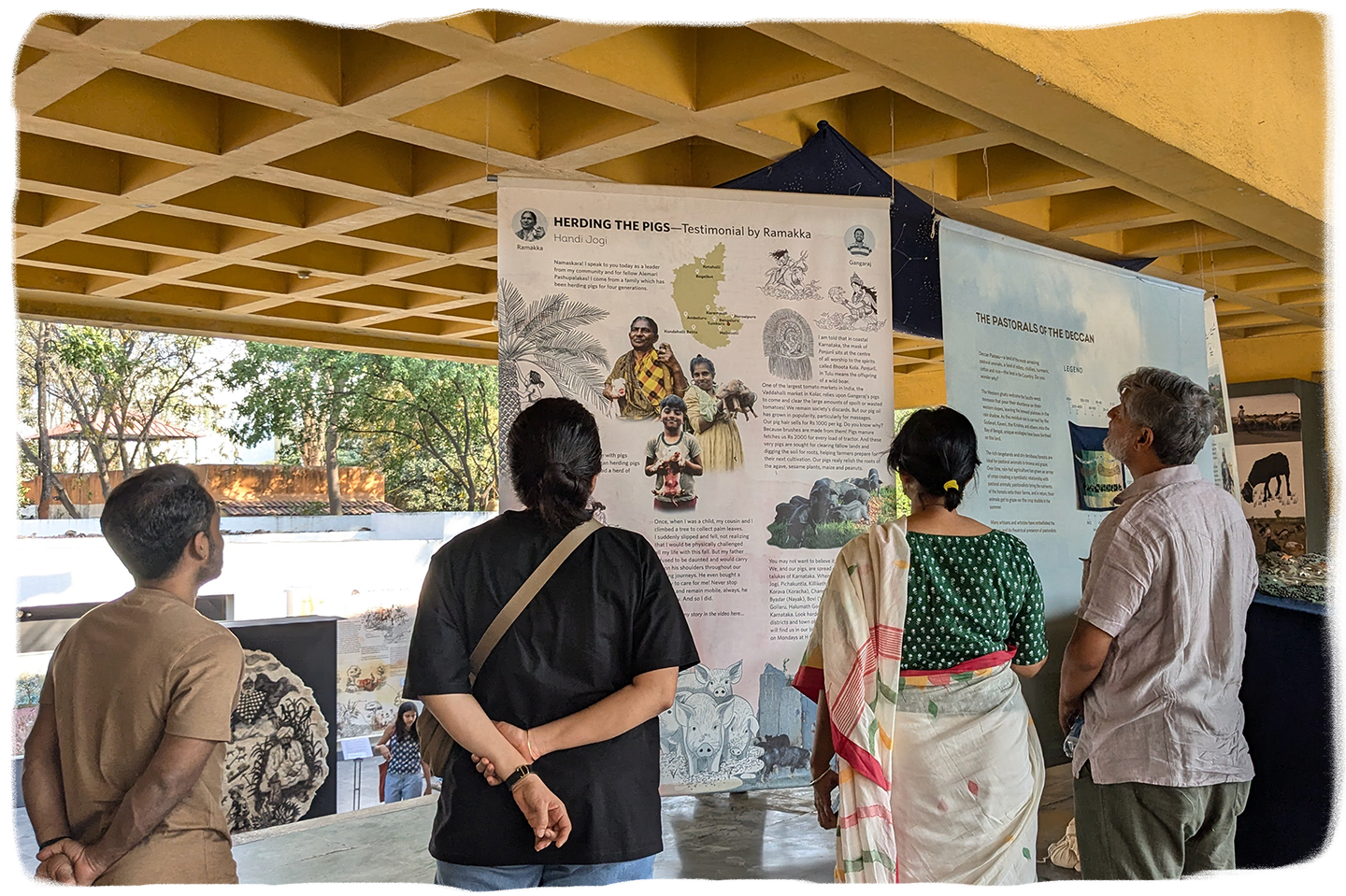
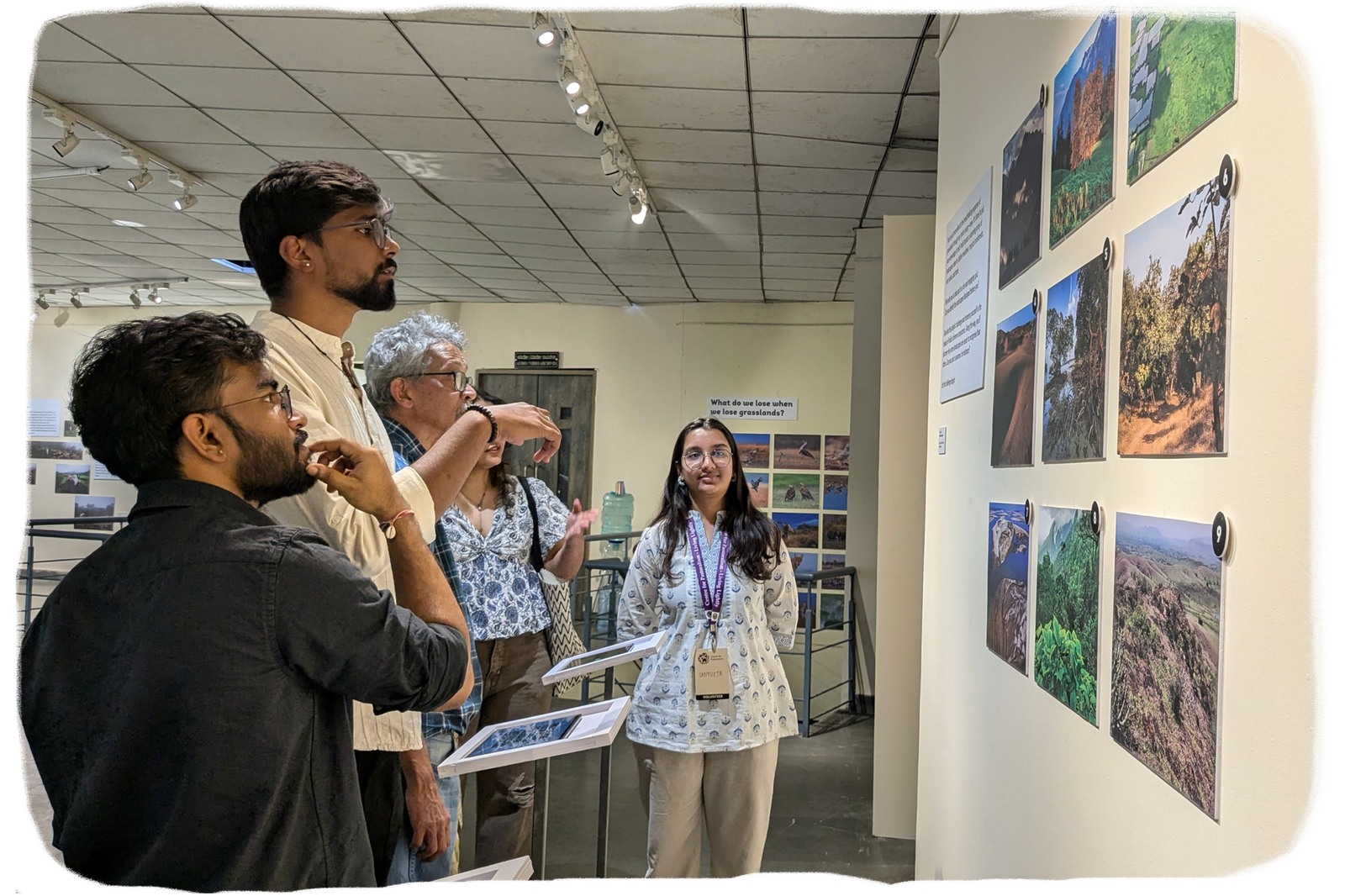
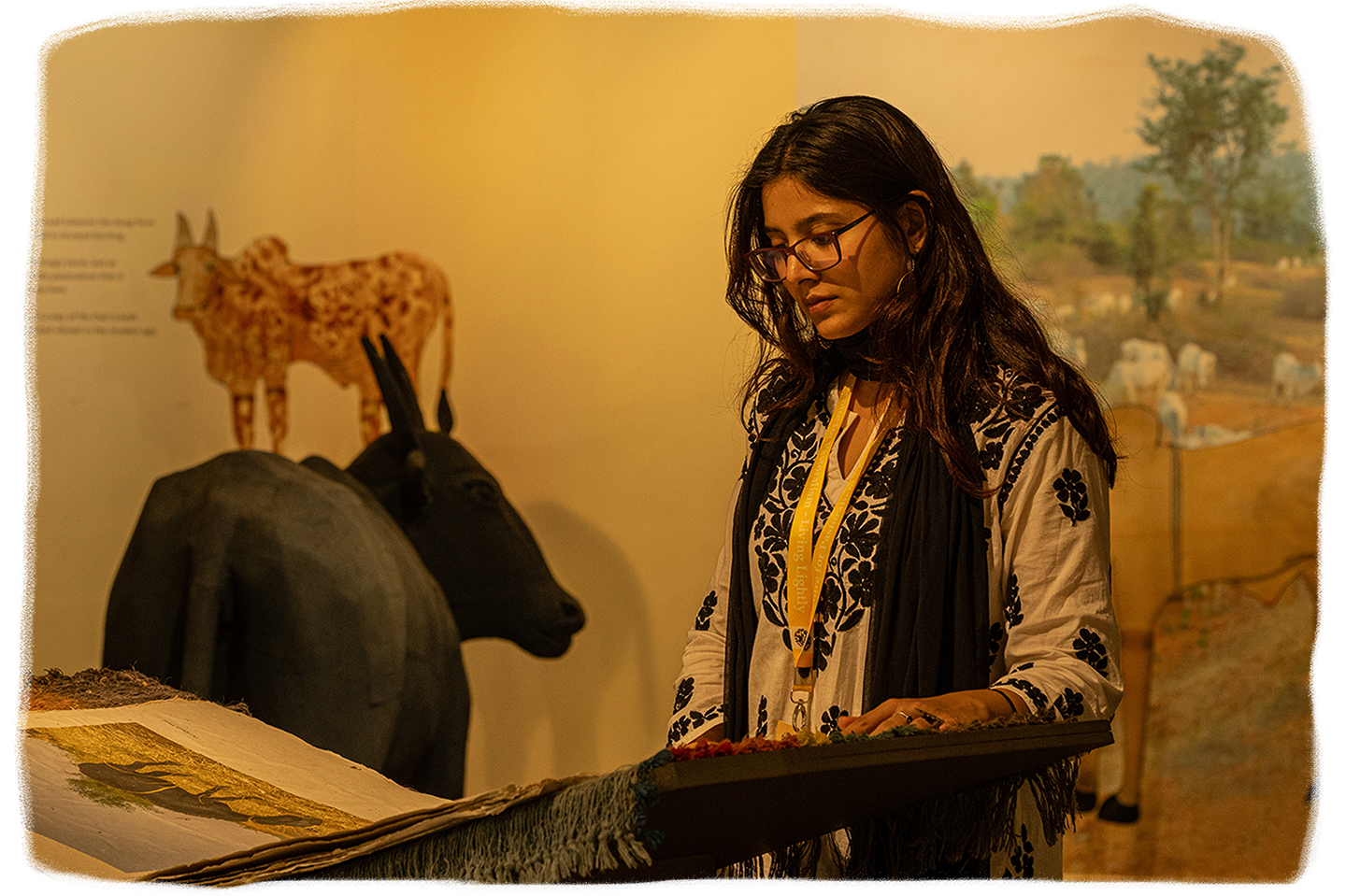
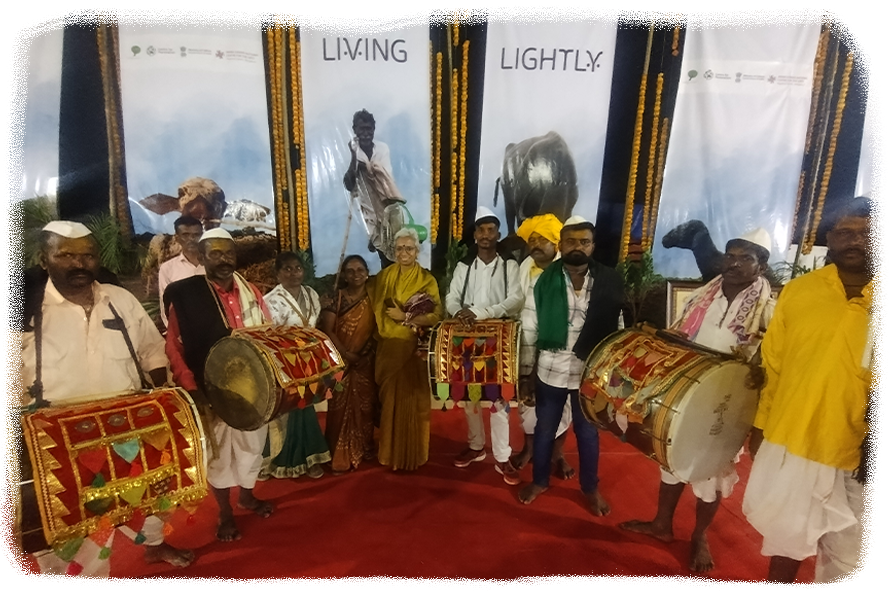
The sixth Living Lightly exhibition was held at IGNCA Bengaluru in February 2025, focusing on Deccan pastoral traditions. It brought together pastoralists, students, researchers, and the public for dialogue on pastoralism.
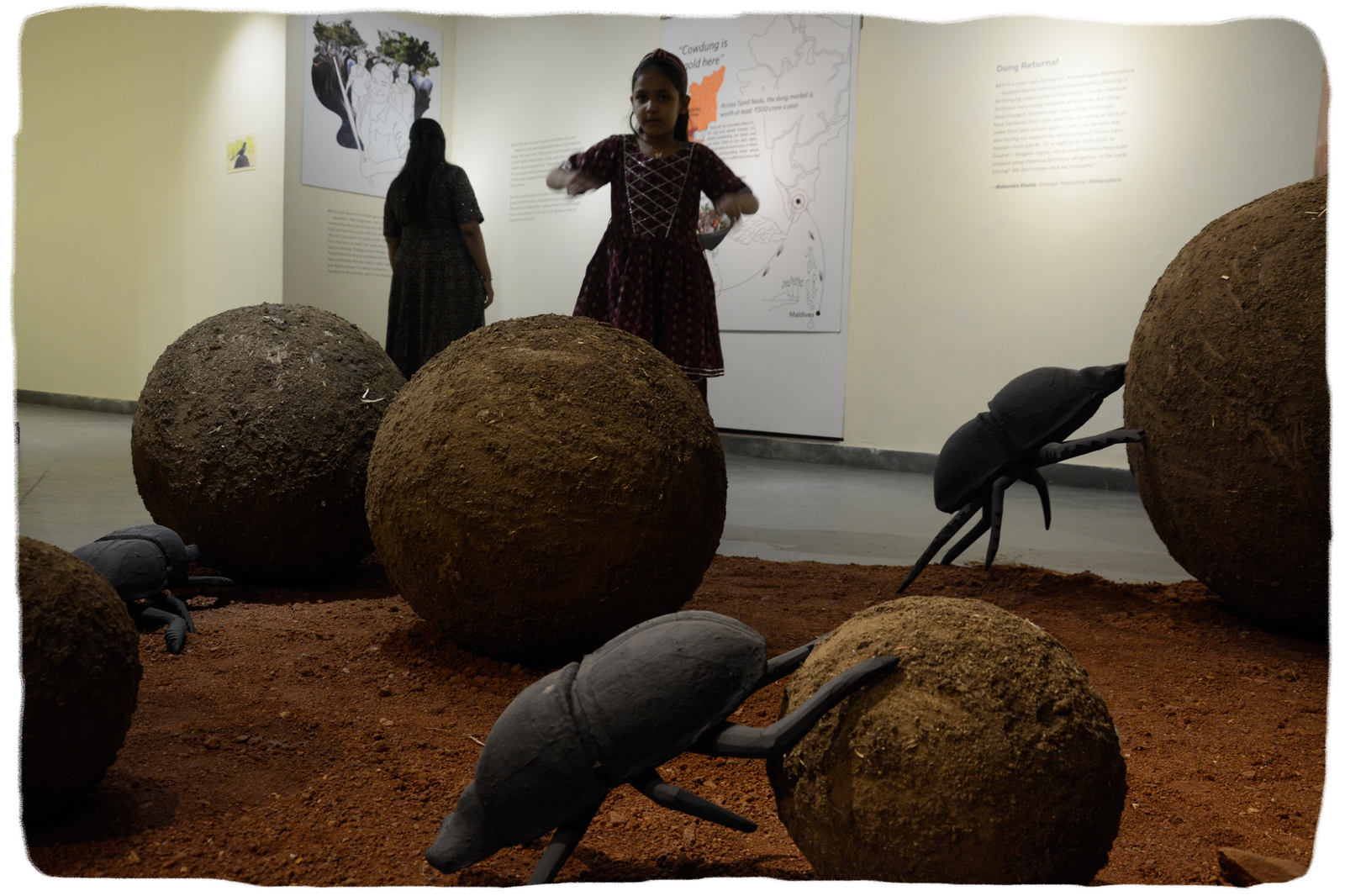
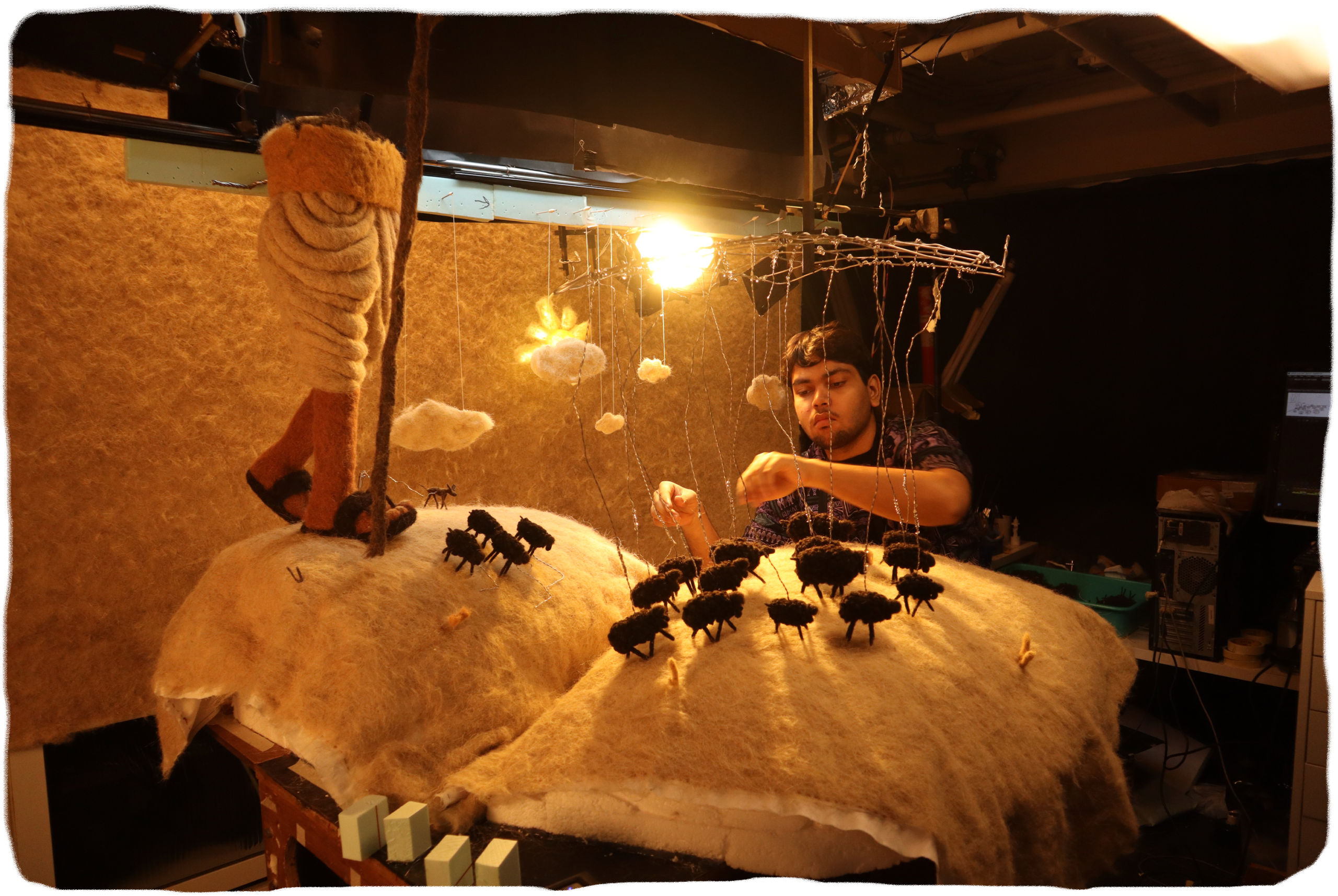
The exhibition featured thematic installations, soundscapes, films, VR experiences, and interactive media exploring pastoral mobility, herding practices, cosmologies, and oral traditions. Displays examined grazing ecologies, livestock-land relationships, and material aspects of pastoral life.
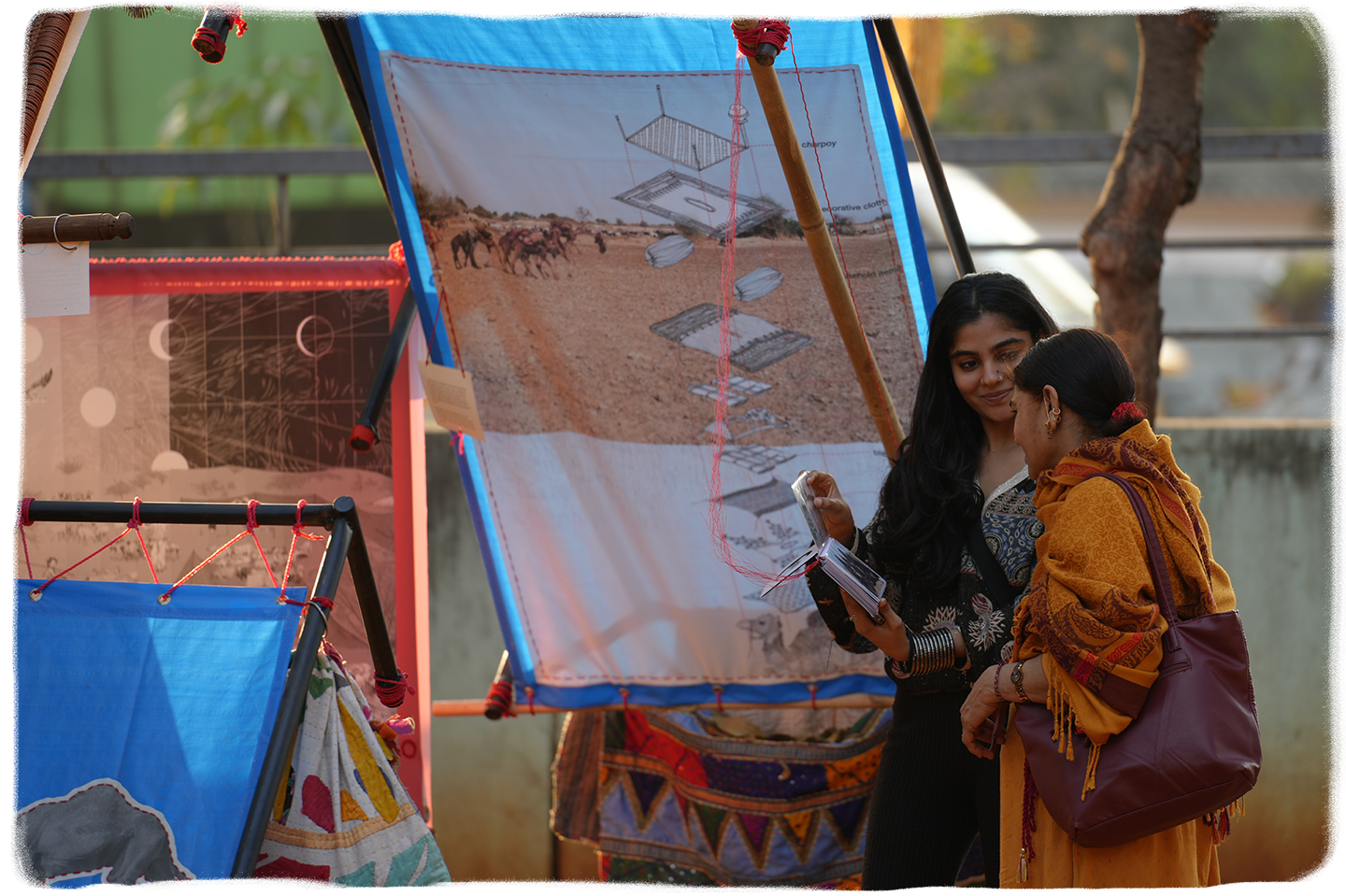
The Living Lightly Utsav included the Alemaari Bazaar and craft workshops showcasing wool, embroidery, leather, and ornamentation traditions, enabling direct artisan-visitor engagement. An academic conference with the National Centre for Biological Sciences addressed pastoralism’s marginalization in policy discourse. Discussions with Karnataka government representatives resulted in commitments on pastoralist rights, grassland conservation, veterinary care, and the wool value chain.
Please find the report to the exhibit here.