Get your daily insulin shot through milk!
Camel milk has insulin, enough to replace your daily shot
It even has proteins, compounds and antibacterial properties. It’s great for our immune system!


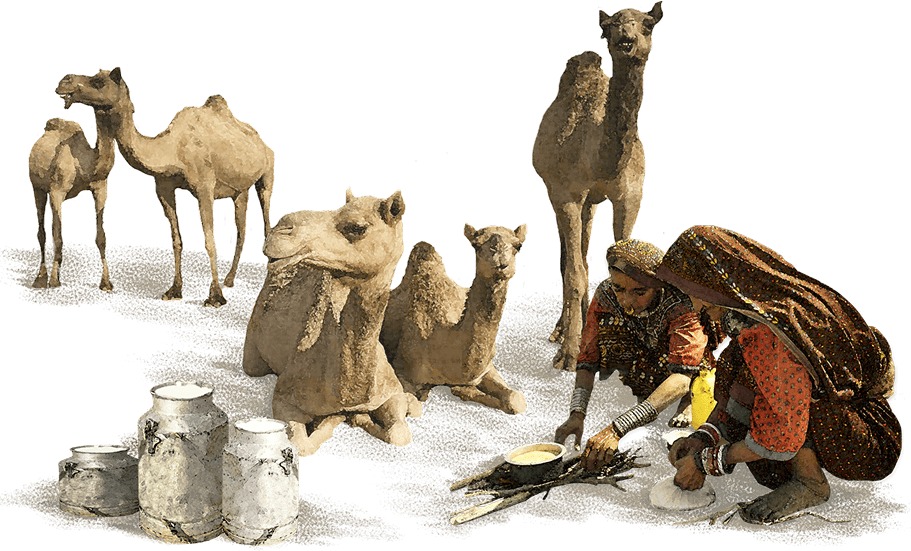
Food and everyday cuisine are integral to all cultures, more so with Pastoral communities; they being producers of food products themselves! Pastoral cuisines are especially unique since herders roam lands that are not suitable for agriculture. Pastoral animals browse and graze a huge diversity of shrubs, trees, and grasses; and squeeze every bit of the essential goodness from these vegetation. Not surprisingly, the milk of free ranging pastoral animals is much more nutritious than milk produced by stall fed animals. And pastoralists have, for centuries, experimented with milk, meat and bread in their ‘open’ kitchens as they set up their settlements under the sky.
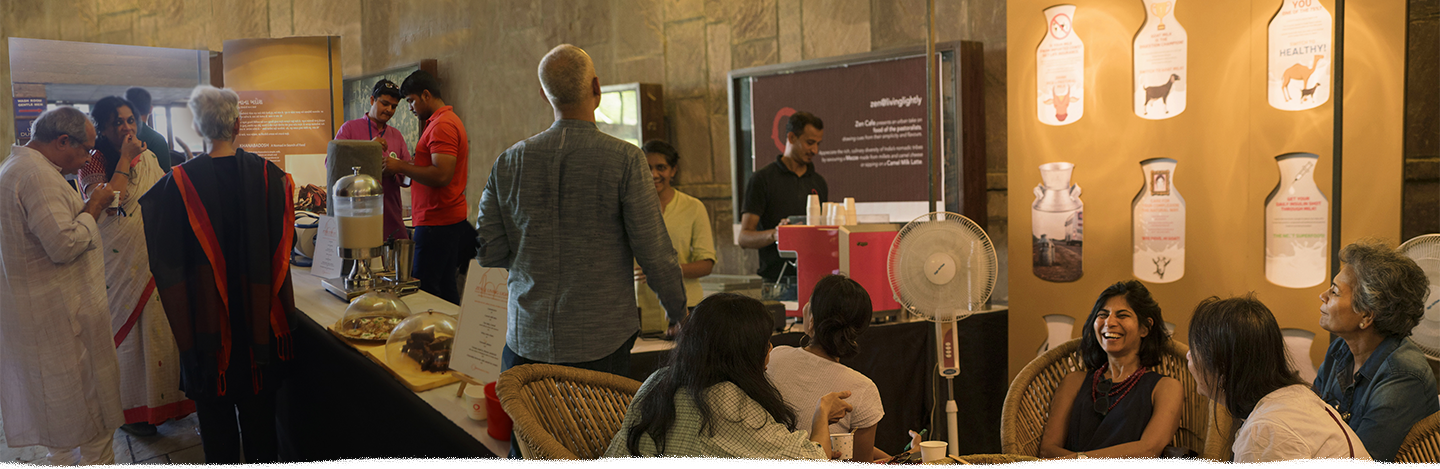
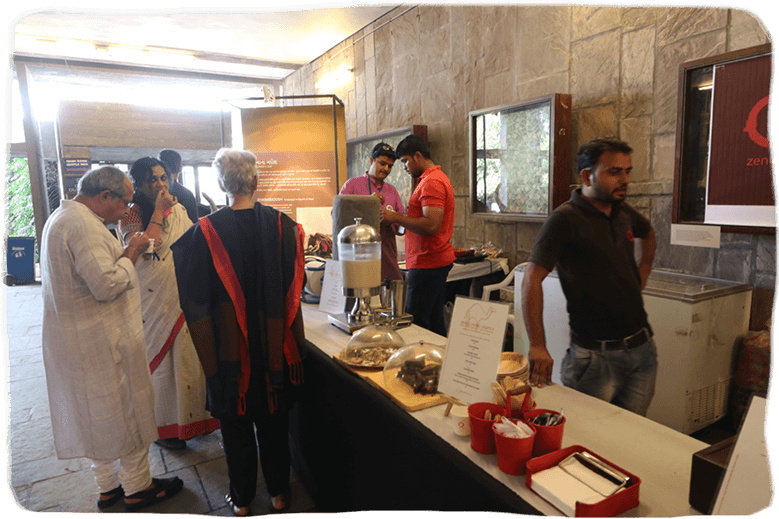
The food section called ‘khanabadosh’ (literally means eating while wandering) through the pastoral food cafe and workshops presented a mélange of interesting interplays of traditional pastoral cuisines, and a take on pastoral ingredients by a band of committed chefs.
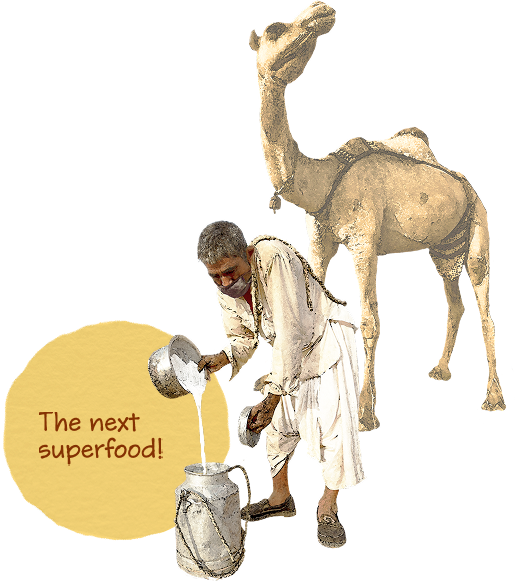
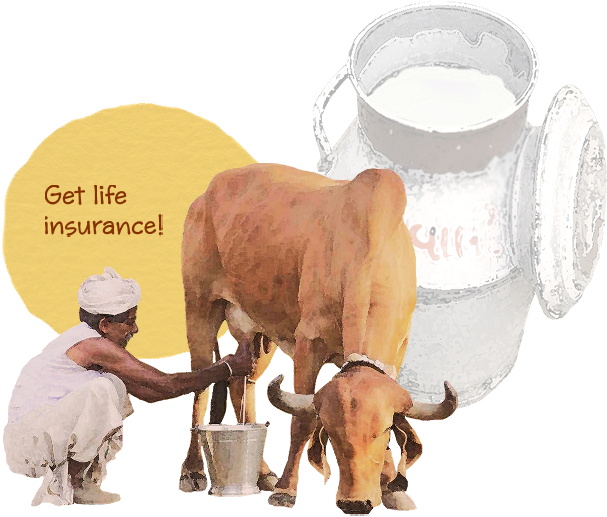
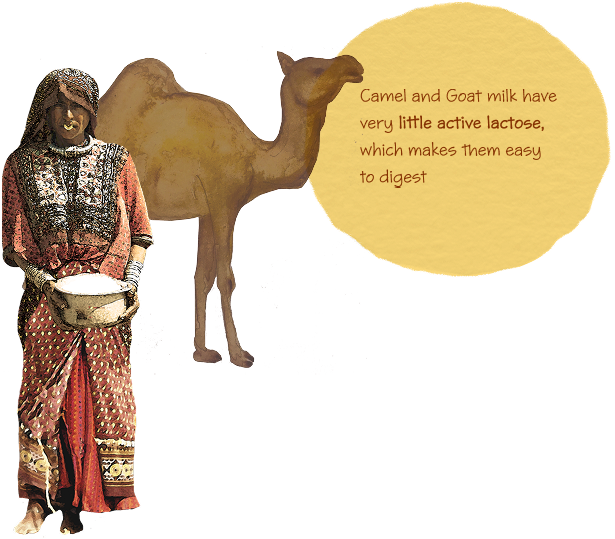
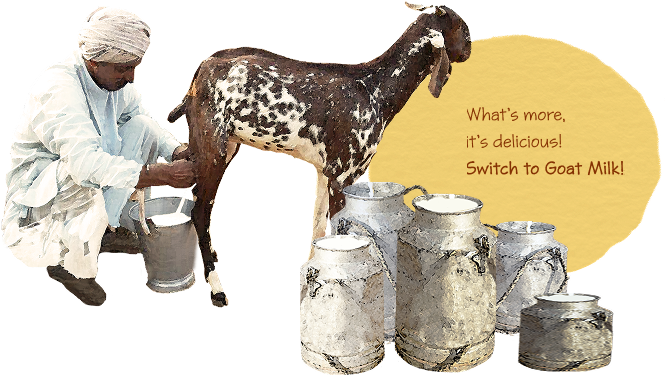
In IGNCA Delhi Khanabadosh celebrated pastoral food cultures and invited visitors to sample the minimalist ‘maldhari’ thali from Kutch at the food cafe, introduced camel milk and all its goodness to the palates of Delhites and engaged visitors with ‘infobites’ on milk from animal breeds in pastoral systems
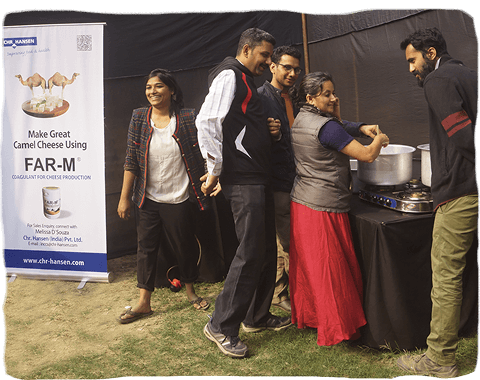
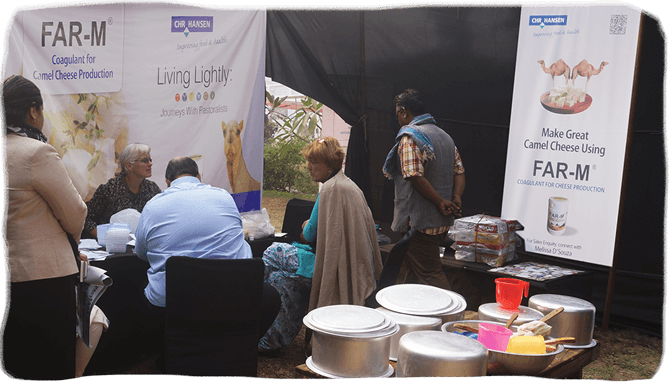
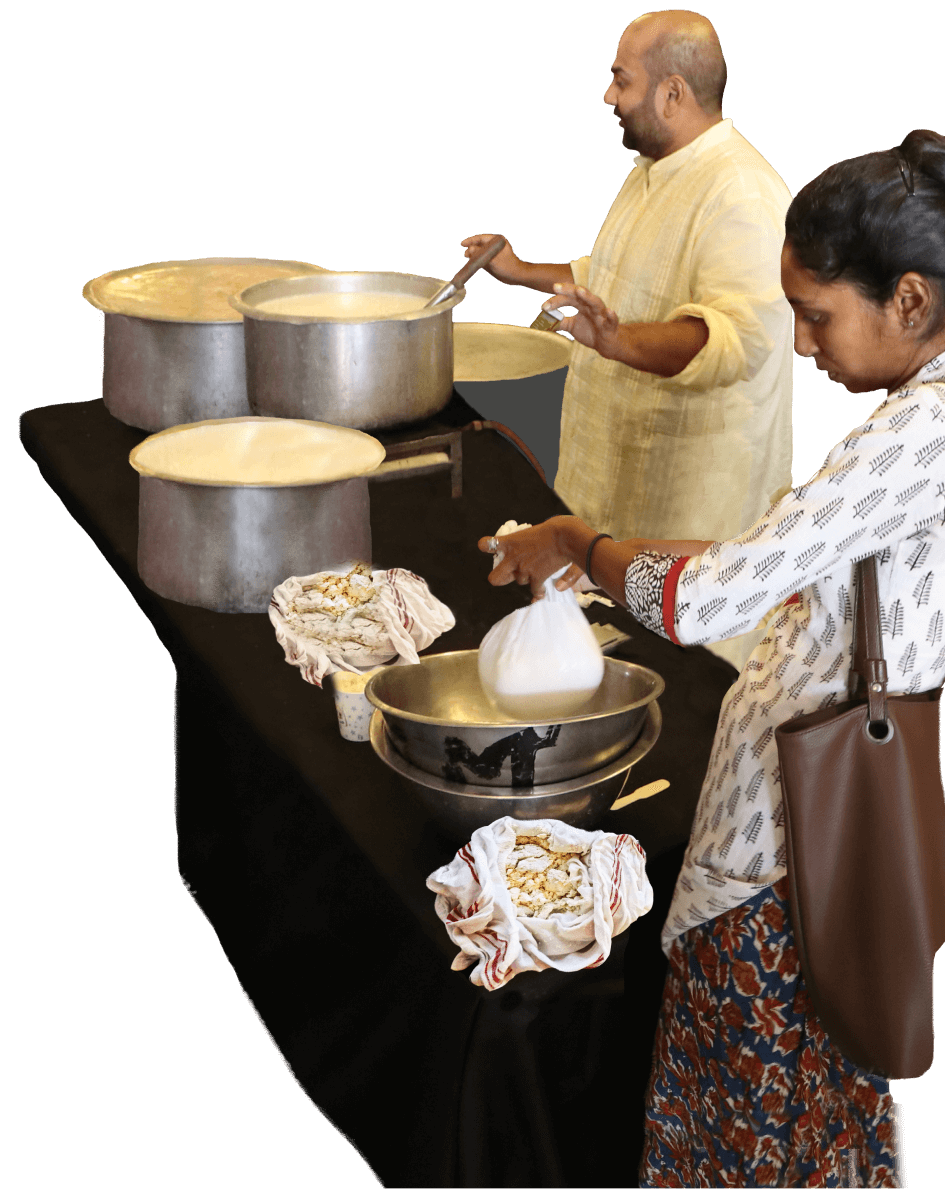
Camel cheese workshops led to Anne Bruntse at IGNCA, Delhi
Krishni Shroff, expert baker and chief chef of the Ahmedabad Living Lightly festival brought her baking and cooking skills to ‘eat lightly’ and savour the tastes and flavours of the camel and goat cheese through a simple assortment of snacks and beverages, all organized by Hema of Zen Cafe. And even as visitors thronged the cafe for repeated servings of camel milk cream, camel milk latte and camel cheese sandwiches, camel herding pastoralists at the venue gaped at them with glee – this could now mean the beginning of a market for their camel milk!
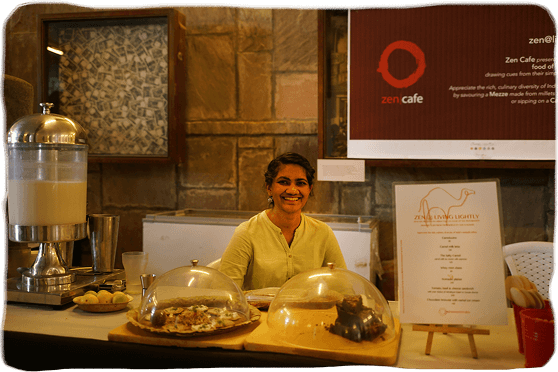
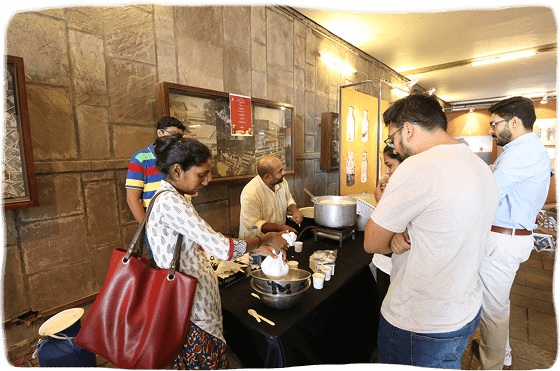
Camel cheese workshops led to Anne Bruntse at IGNCA, Delhi
In Delhi, Anne Bruntse, a well known camel cheese expert from Kenya partnered with Lok Pashu Palak Sangh and ran a popular cheese making workshop on the grounds of IGNCA. Anne demonstrated and described the process of cheese making for many onlookers and imparted hands-on training to those who had enrolled into the camel cheese making course.
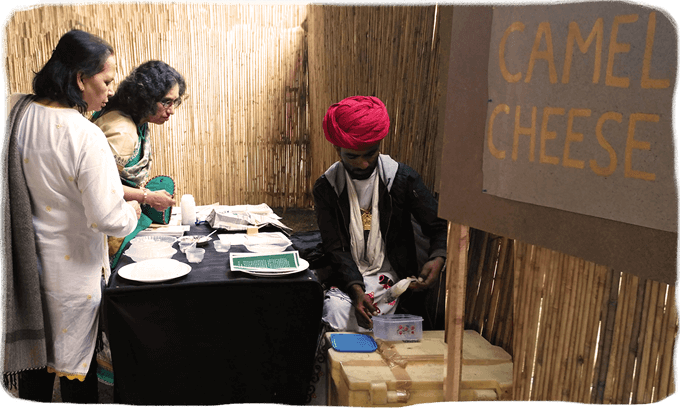
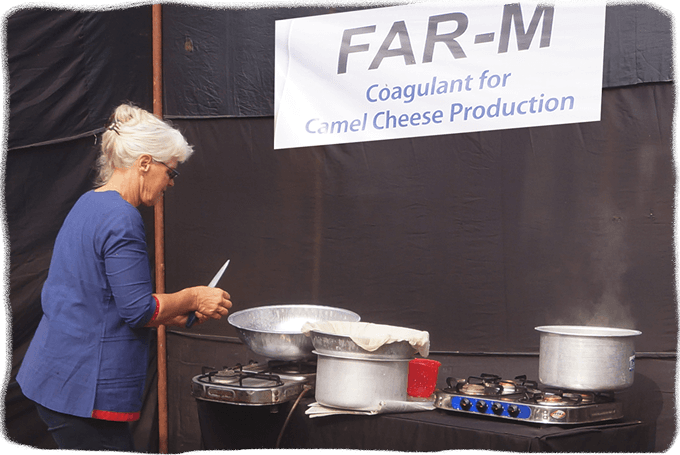
Aditya Raghavan, a physician and cheese maker from Mumbai facilitated a cheese celebration at the Ahmedabad exhibition and taught the art of goat feta cheese and camel cheese making to a group of registered and eager participants at the venue, and followed it up with a demonstration for the chefs of Ahmedabad’s famed ‘Agashiye’