
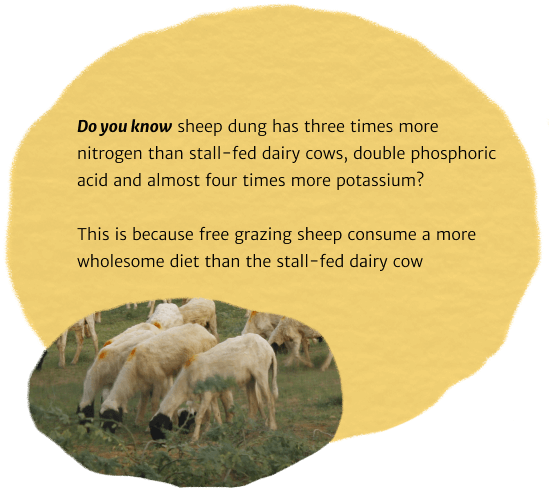
Let us follow the dung trail with our pastoralists!
The Panchayats in Kerala auction dung, 40-60% of which is purchased by coffee plantations.

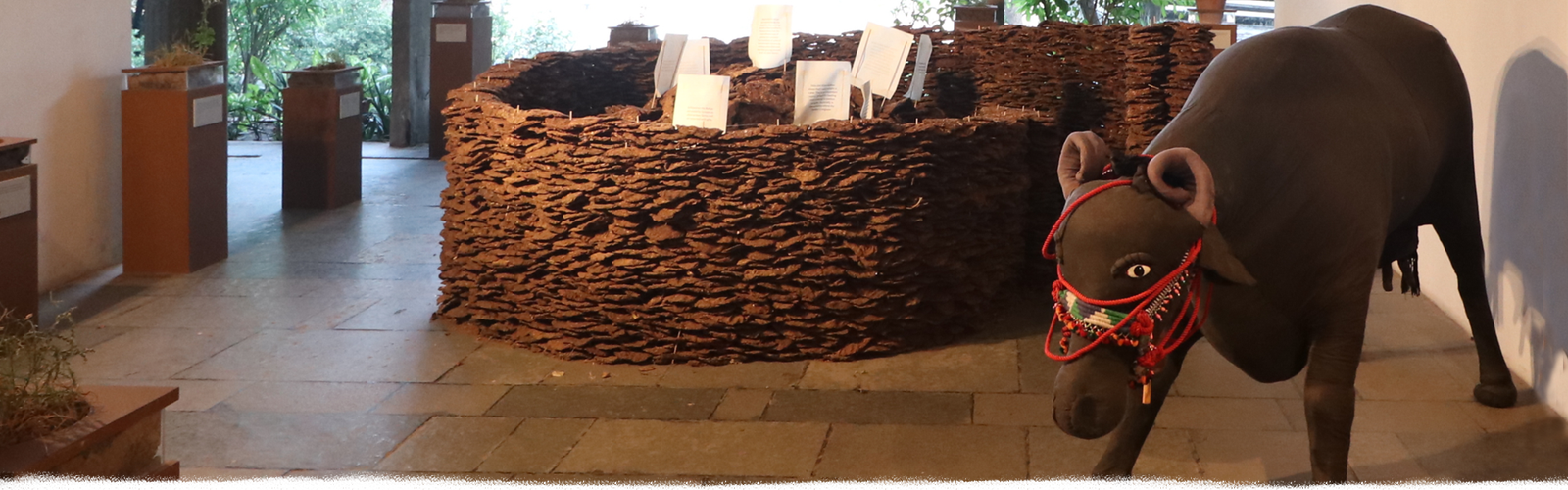
Pastoral system gives back more than it takes. Food, Fibre, and Dung. Yes, dung is valuable. Farmers across India swear by the potency of Dung to vitalise their crops. Dung carries grass-seeds far and wide, and are vital in regenerating the grassland soil as well as ensuring the growth of new grasses. Let’s dive into the delightful world of dung!
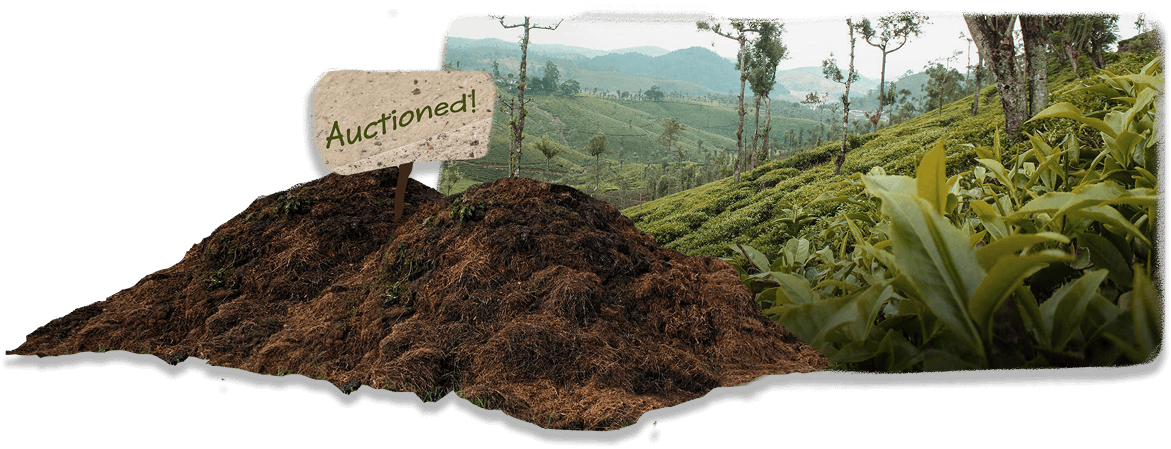
The Panchayats in Kerala auction dung, 40-60% of which is purchased by coffee plantations.
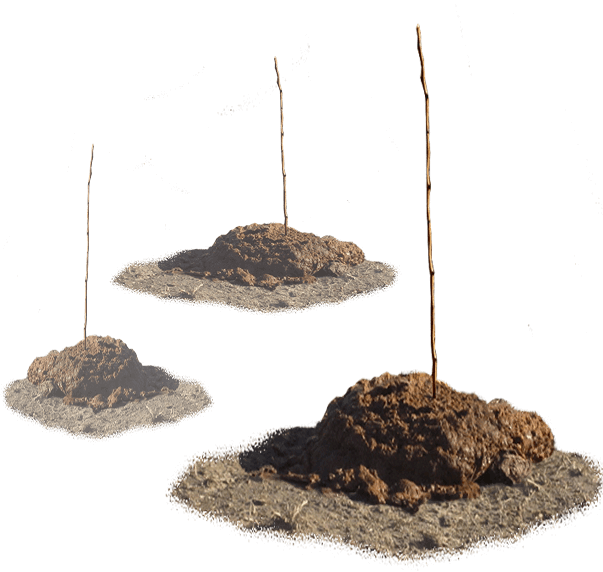

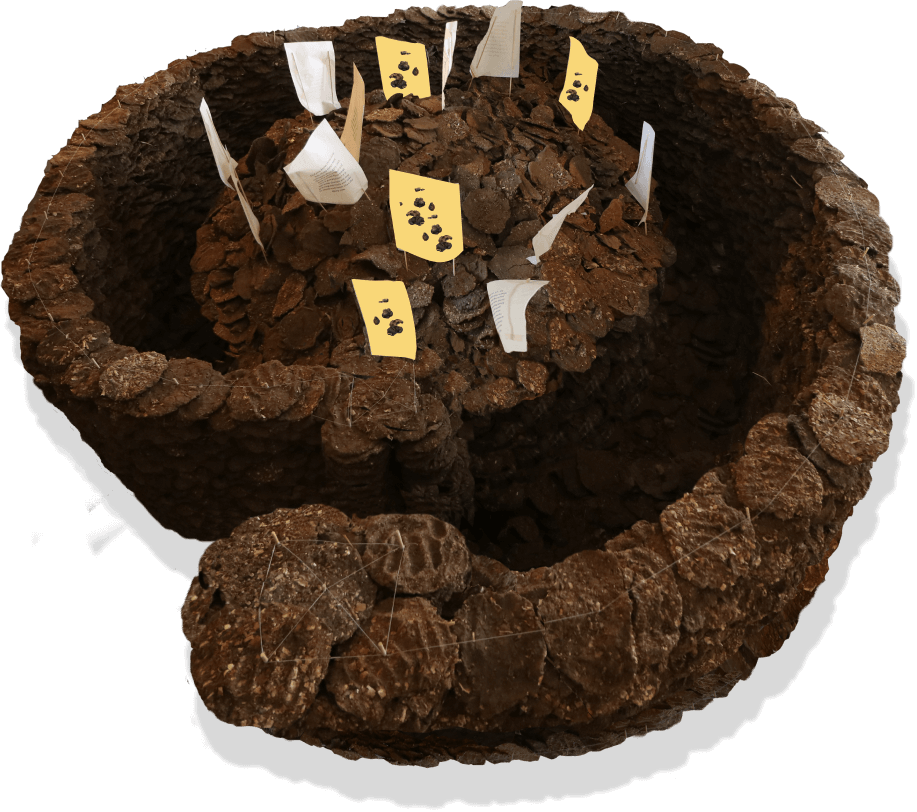
In Kutch, dung is a precious commodity. A stick on the dung indicates it has been claimed by someone, and cannot be picked up!
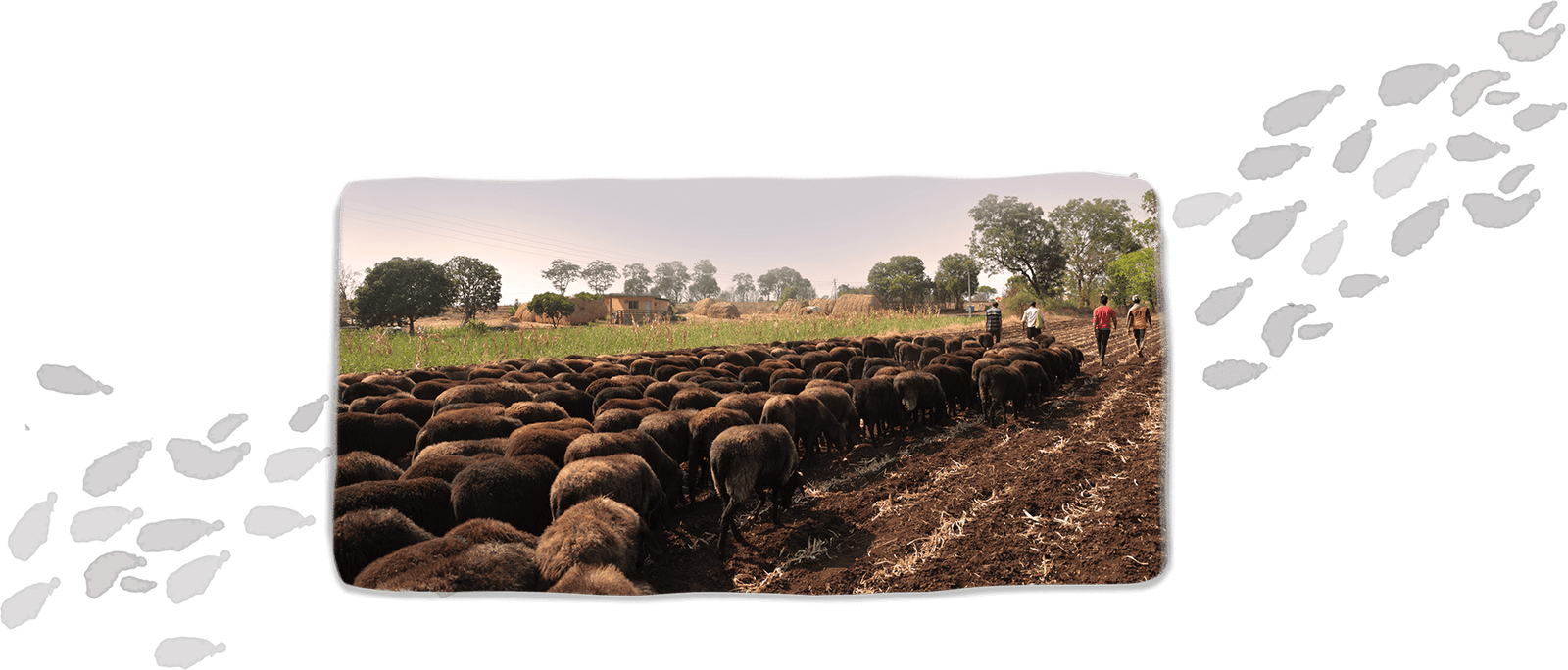
In Rajasthan Raika herds are invited by farmers to s(h)it on their farms and these herders are rewarded with gifts.
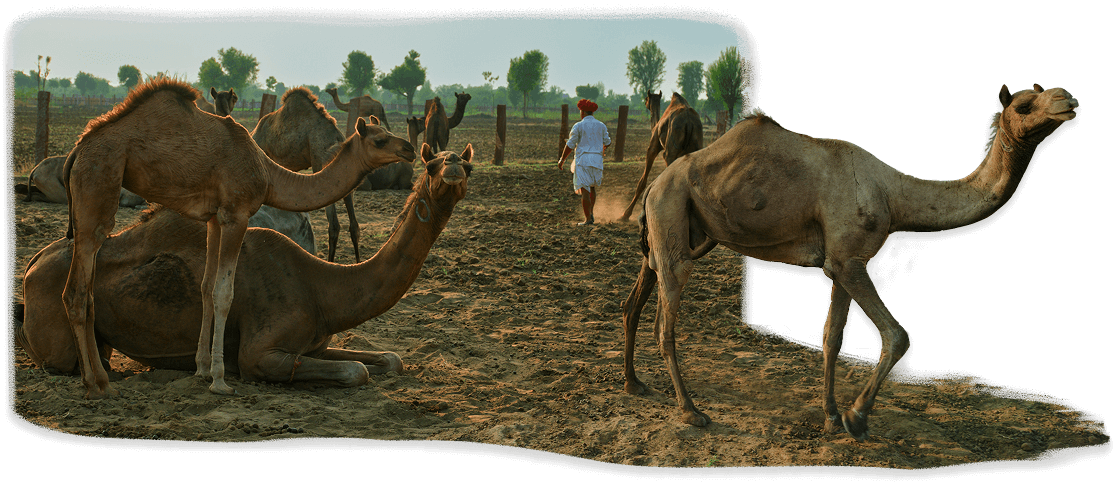
In Madurai, the productivity of organic fruits including coconuts, grapes, bananas, and spices is attributed to cattle dung from pastoralists.
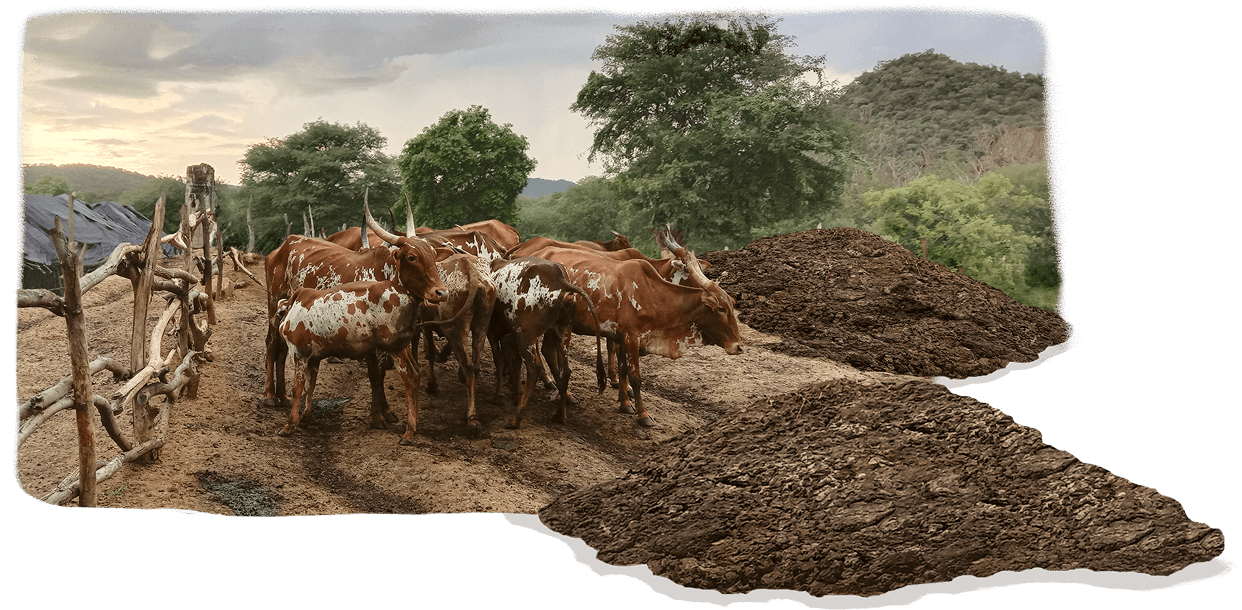
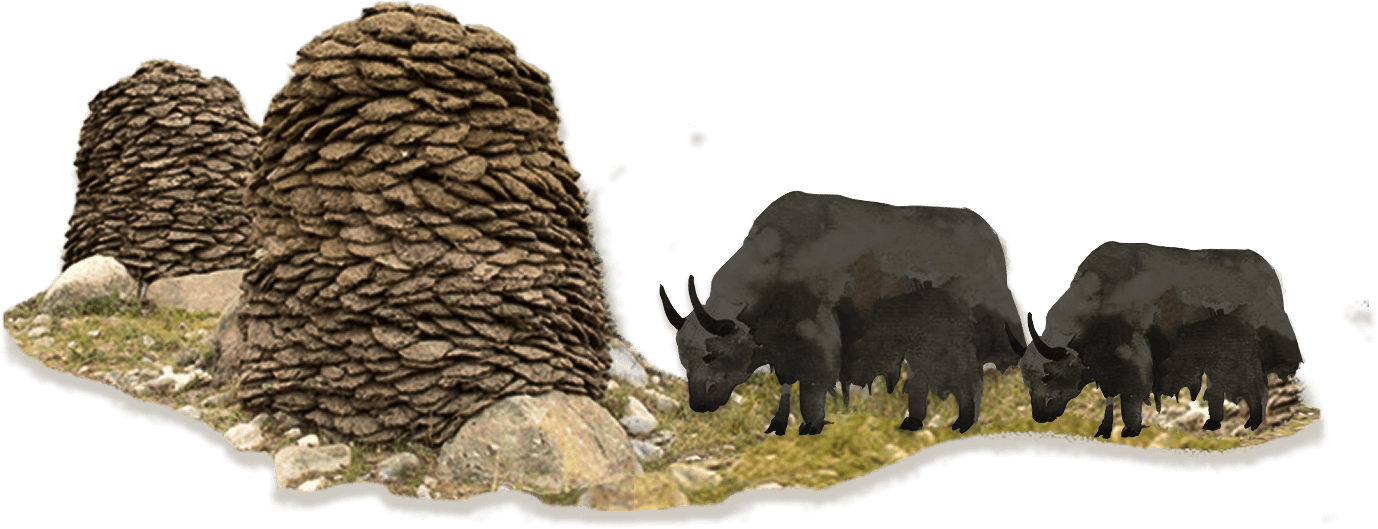
Yaks shit three to four times their own weight in a year. This is an important source of fuel for heating and cooking in treeless Ladakh, especially in the uplands where the nomads migrate.
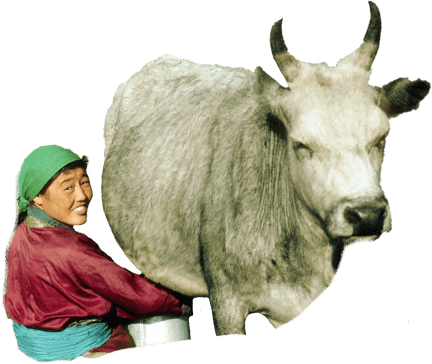
So rich and varied is the dung culture in Mongolia and Tibet, that pastoralists in Mongolia have 36 names to describe different dungs based on the colour, use and animal.
And Amdo pastoralists from Tibet have apparently 56 names to describe dung in their language!
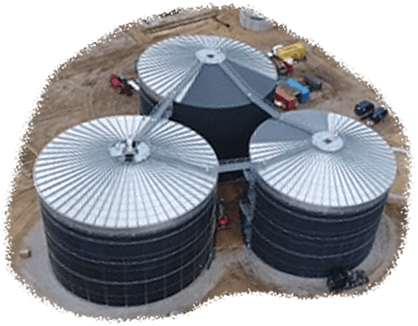
One of the world’s largest biogas plants is located in North West Jutland, in Denmark. The plant processes livestock manure, while at the same time producing heat and electricity for the nearby towns of Holstebro and Struer.
Denmark is planning to use 50% of its animal dung for green energy production.
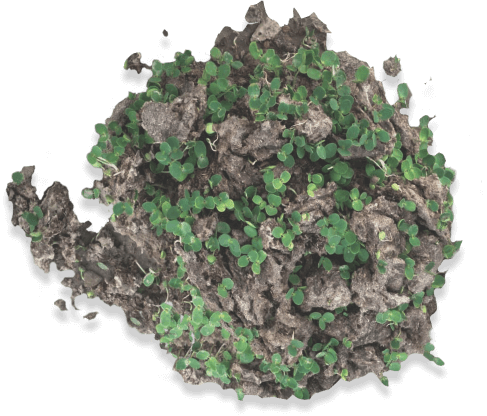
Plants require 16 nutrients of which thirteen come from the soil.
Chemical fertilisers provide only selected nutrients while dung can provide potentially all thirteen as dung is produced from the plants that animals eat!
Dung in our homes! Cow dung, traditionally used for lining walls
and floors of mud huts, has antibacterial properties. It also contains a bacteria Mycobacterium Vaccae, which activates a group of neurons in the brain that produce serotonin – a neurotransmitter that contributes to the feeling of well-being! See, being well is easy, build with dung!
Sun dried mud bricks used in the construction of houses use the least energy and are extremely efficient in keeping homes cool in summer and warm in winter. Traditionally, dung (and straw) is added to temper the clay, increase its plasticity, and make bricks for construction. Today, there is renewed interest, in this tradition and constructing ‘green buildings’.
Dung in our medicines? Many in the German Nazi army were suffering from
severe dysentery in Northern Africa during World War II. Hundreds of soldiers were dying.
German doctors and scientists were surprised to see local Arabs curing themselves from dysentery overnight by consuming fresh camel dung!
Upon examination, they realised that camel dung contained Bacillus Subtilis – a bacterial organism that ate other bacteria that got in its way, it aids digestion and crowded out other disease bacteria. Scientists recommended that patients be given a camel dung soup, until this was later developed as a capsule.
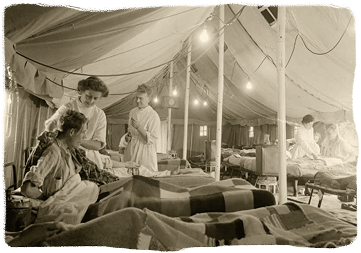
World War II field hospital, Royal Air Force, via religion news
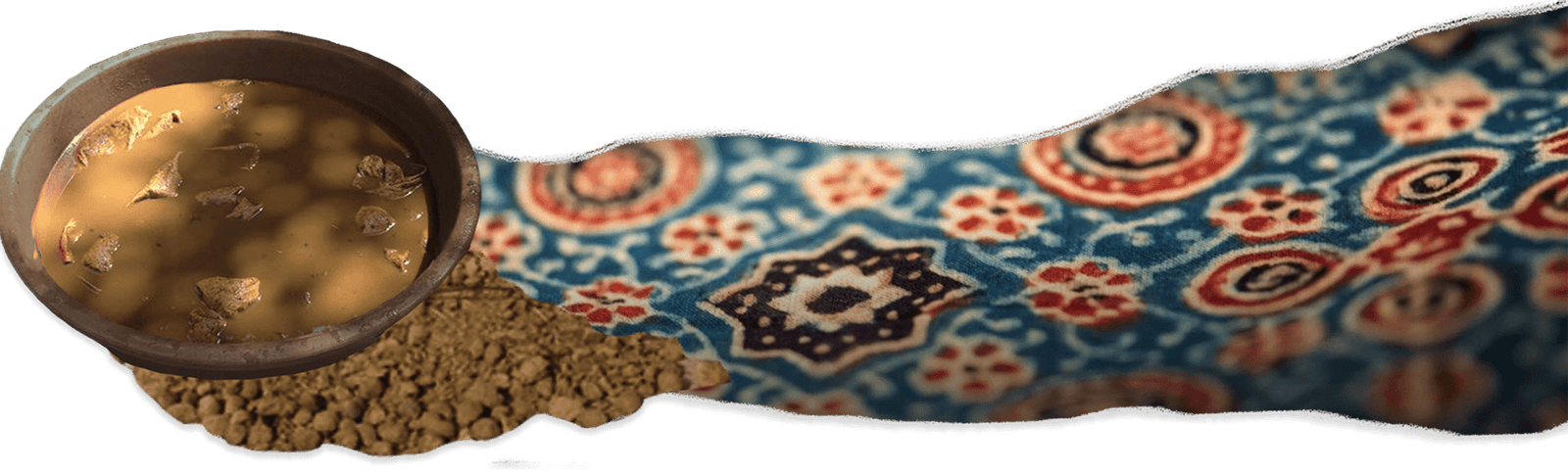
And dung In our clothes ! Traditional double-sided Ajrakh cloth is dyed using camel dung. To remove impurities and prepare for printing, The cloth is soaked in a solution of castor oil, camel dung, and soda ash The cloth is left overnight to soak in this mixture, called saaji. An authentic Ajrakh is identified with this smell of camel dung. Next time you buy an original ajrakh, don’t forget to smell the dung!