Exhibitions & Events Sanjha Bazaar
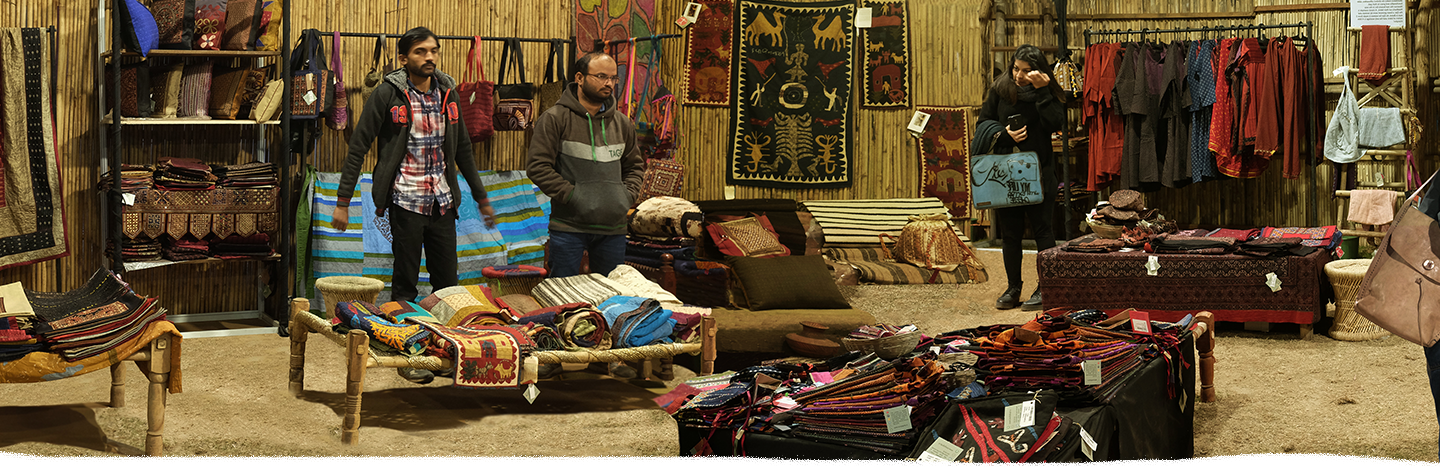
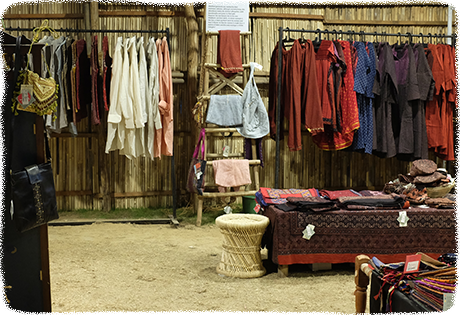
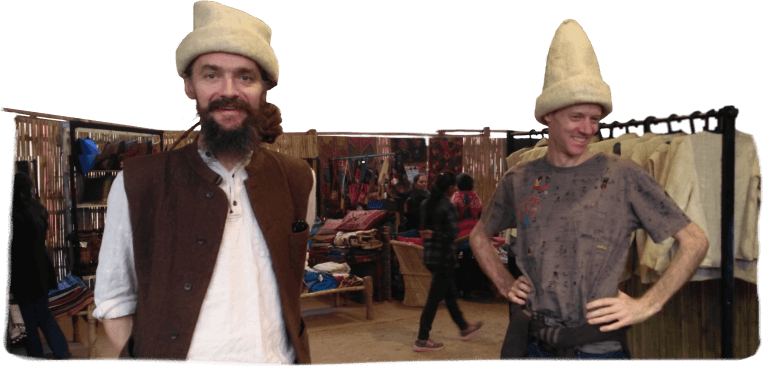
Sanjha is something that is shared, common to all. Sanjha is a space that brings a diverse set of people – people of different geographies, cultural backgrounds, and craft skills – together. Sanjha Bazaar, at Living Lightly Exhibition, becomes a marketplace that brings the pastoral crafts of India. It brings colour, chaos and brio of a bazaar while also being an open stage for visitors to connect with the lifestyle, life world and habitats of the pastoralists through curated product sales and personal interactions with artisans. This bazaar celebrates the natural skins and fibres of camels, sheeps, goats and yaks, bred and herded by our pastoralists and showcases handcrafted processes and products from several regions and organizations working with pastoral crafts.
Craft Workshops
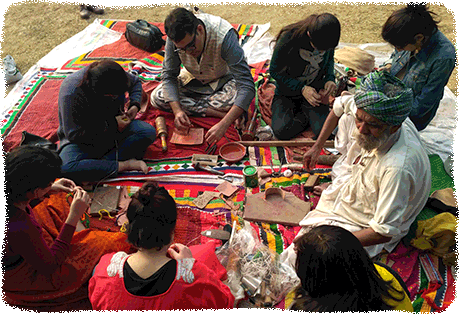
The craft workshops were organised by Khamir to enable visitors to learn about the materials, techniques, aesthetics, practicalities, and textures of pastoral crafts while, hopefully, changing the way they perceive hand crafted objects.
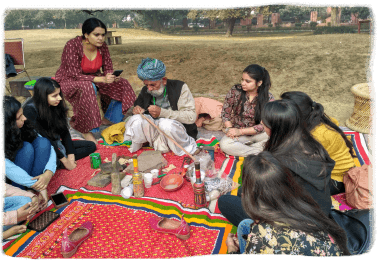
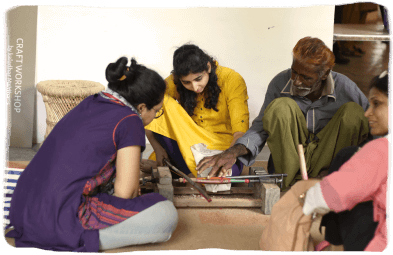
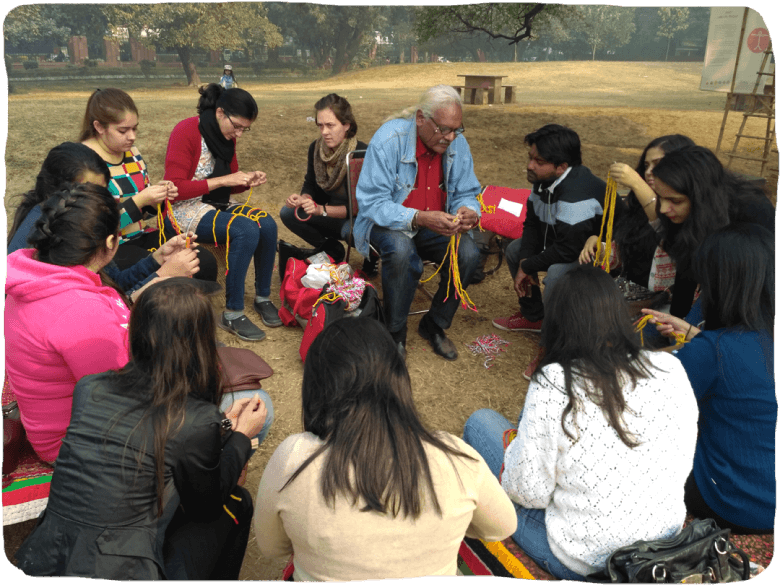
Lacquer, Leather and Braiding workshops at LL Delhi
The artisans from different communities of Kutch taught the art of lacquer, wool spinning and embroidery to people who came from both Ahmedabad and outside to especially learn these special pastoral skills. Errol Pires, a noted designer, also conducted a workshop on split-ply braiding. Errol Pires is one of the few people who have worked to revive this lost art which was traditionally used by the pastoralists to make a variety of strong, flat ropes. The participants got a chance to not only see the exhibits from the land of Maldharis but to also experience a slice of it through these workshops.
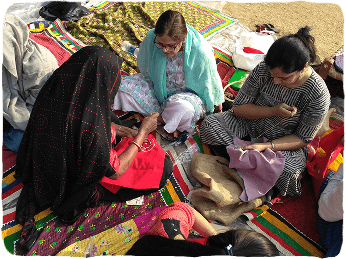
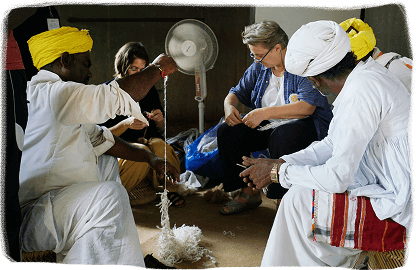
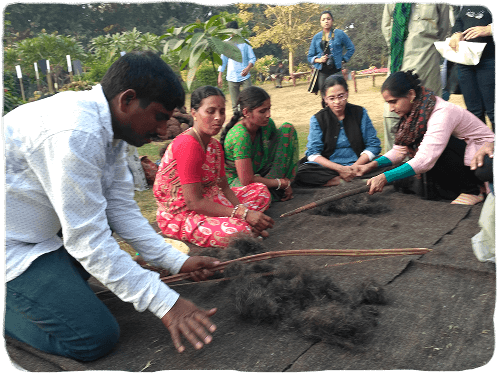
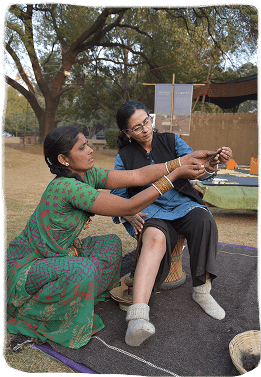
Spinning and Embroidery workshops at Living Lightly
Bazaar
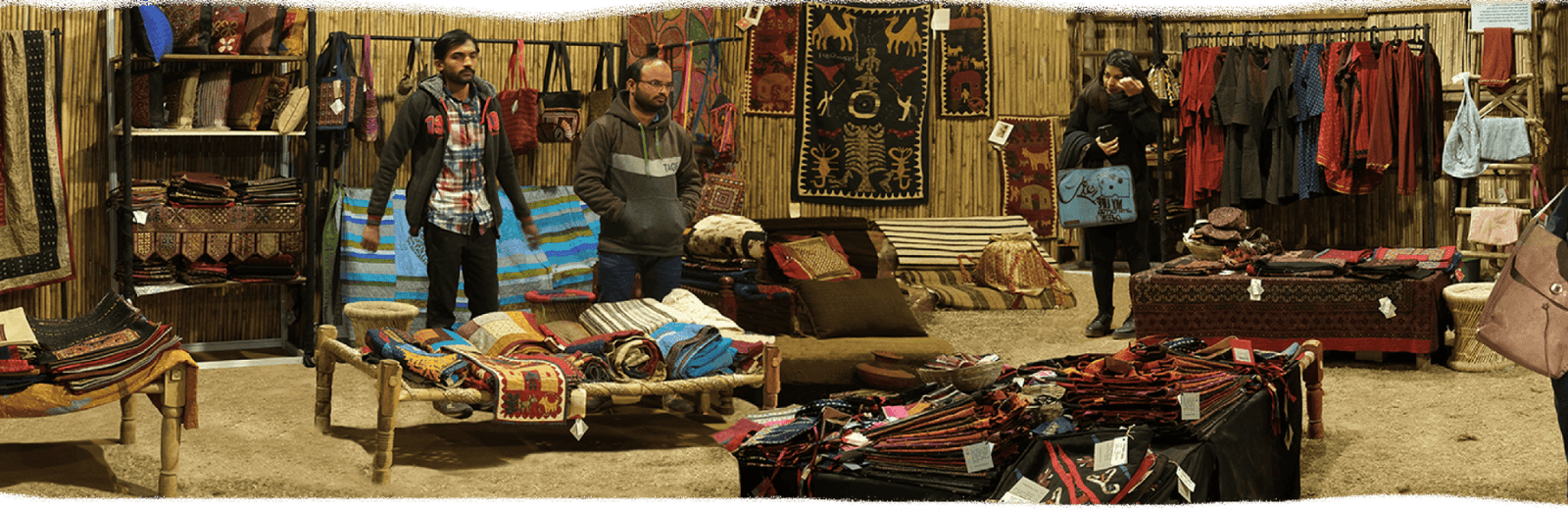
The specially curated space is a gathering of pastoralists, associated craft artisans, craft enthusiasts, and sensitive designers. It brings together a fresh collection of design innovations with crafts of pastoral regions. It also includes products that pastoral people were using, or are still being used by them; and products that they were using, but no longer making and which had now become part of a heritage collection of museum quality; products that demonstrate the change that traditional pastoralist-artisans had brought about in objects themselves, in response to developments in taste, technology, prices and materials.
Crafts from the Pastoral Commons
This collection draws on the elegance and the finesse of traditional craftsmen of pastoral regions and was a specially curated selection for LL.The collection as hoped, ignited the public imagination to the potential of pastoral crafts.
Knitted Woolens
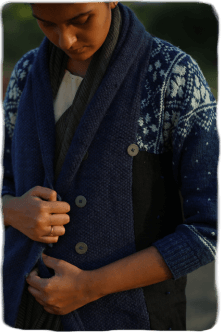
Avani-Kumaon presented their beautiful range of knitted woolens dyed using the natural sources of pigments endemic to Kumaon.
Peoli, an enterprise from Uttarakhand, too presented a collection of knitted designwear. Peoli’s collection played with blends of local and finer wool and created patterns out of the variation in uptake of dyes in different fibres.
Shawls
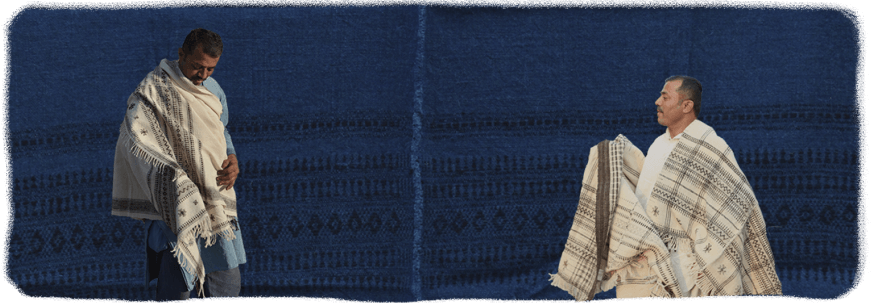
Shamji Vankar, one of the most creative weavers of Kachchh showcased a collection of desi oon shawls at the exhibition. Patterned based on the stylised motifs of the traditional dhabda and dyed using vegetative agents, these shawls were a big hit with the young and old alike!
Gongadis | Blankets
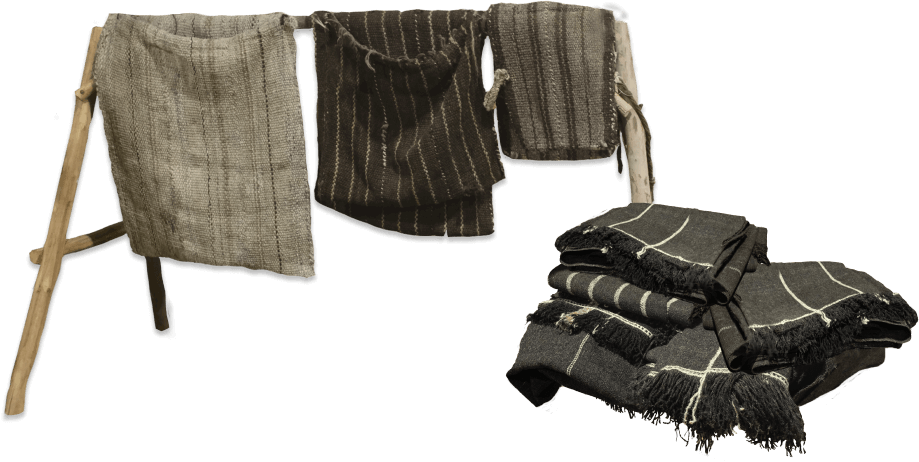
DGMPS and Mitan, organizations based in Telangana and Karnataka respectively, presented a collection of handspun and handwoven Gongadi rugs and shawls – each marked by a striking Kada.
Felts of Ladakh
LAMO, an organization based in Ladakh, presented felts based on the traditional felted capes of Ladakh. LAMO also presented felts made of fine yak and lamb wools of Ladakh, which were lapped up by the craft enthusiasts of Delhi.
Leather Bags
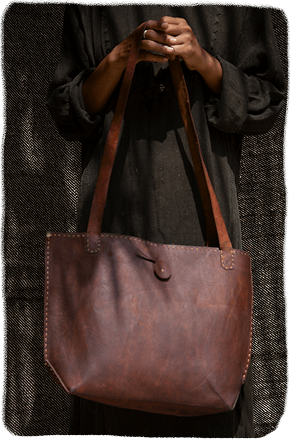
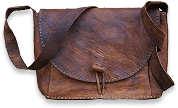
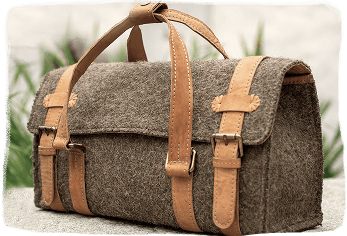
Khamir produced a range of bags made of goat and sheep leather. The collection played on the handstitching skills of Kutchi Meghwal leather artisans and the inconsistencies of locally tanned leather to achieve a look that was appreciated by many.
The bags were also based on the ethos of pastoral people, and used folding and stitching rather than cutting.
Shoes
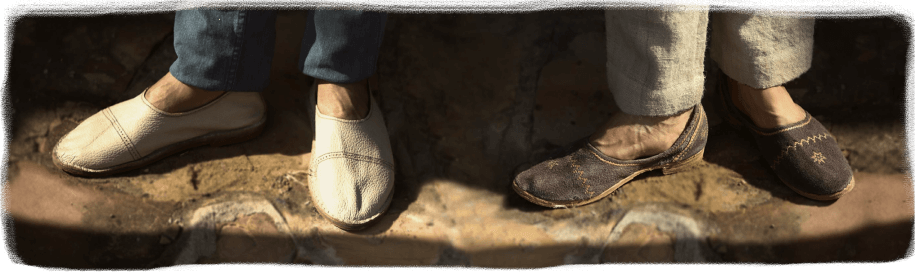
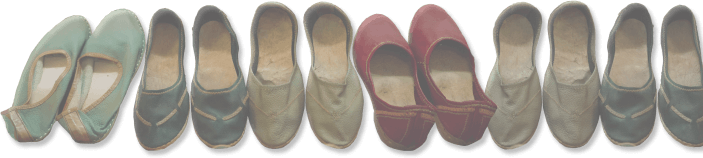
Khamir designed a range of shoes based on the classic mojaris and juttis of Kachchh. The shoes retained the shape and form of the traditional mojaris while using softer leather and minimal embellishments to adapt it to the taste of a new age consumer. These were designed by Jogi Pangahaal, a noted product designer
Accessories
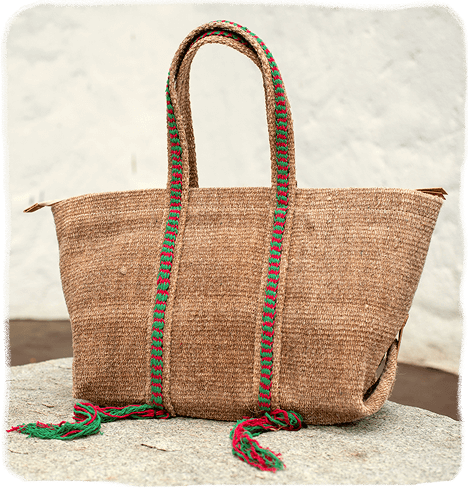
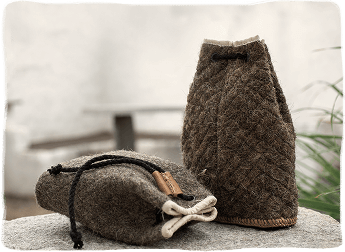
Mitan developed a range of accessories including pouches, belts, bags of goat and sheep leather.
Products inspired by Pastoral Produce
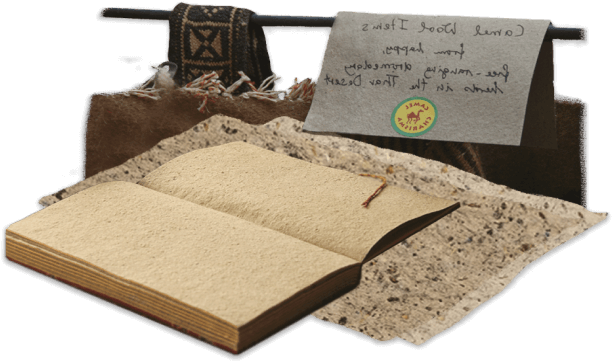
Camel Dung paper: Camel Charisma brought a special thick paper from the dung of Kumbhalgarh camels. This paper, composed of the fibre and seeds of about 36 different types of plants, shrubs and grasses, had a lot of character and it showed in its rugged texture! And best of all – no tree had to be cut to produce the pa
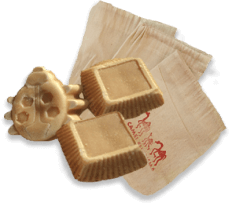
Camel milk soap
Camel Charisma also presented handmade from pure camel milk and coconut oil with splashes of various scents. The soaps, enriched with the goodness of valuable Alpha-Hydroxy acids from camel milk, proved to be a popular purchase!
Pastoral Embroideries
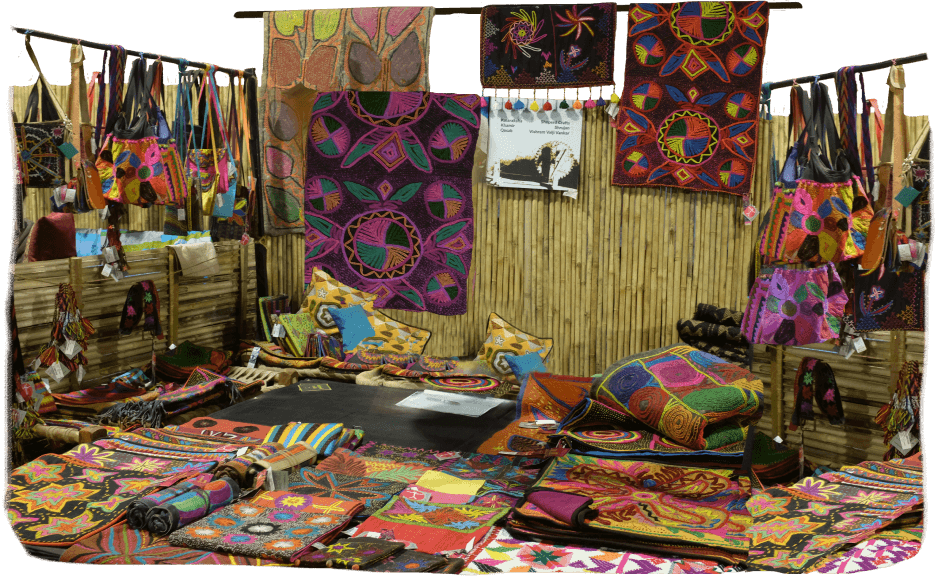
Kashmir Embroidery: Shepherd crafts, based in Pahalgam, presented richly embroidered accessories and furnishings crafted by Bakerwal and Gujjar pastoralists from Kashmir.
Rabari Pastoral bags: Rabari pastoral men move around their bags as they graze their herds.
A range of different shapes and sizes of bags carry their water bottles, tea leaves, sugar, and other knick knacks! These bags are embroidered expertly by the women of the household without fail.
Qasab developed Rabari pastoral bags drawing inspiration from the everyday yet unusual bags of the Rabari herders.
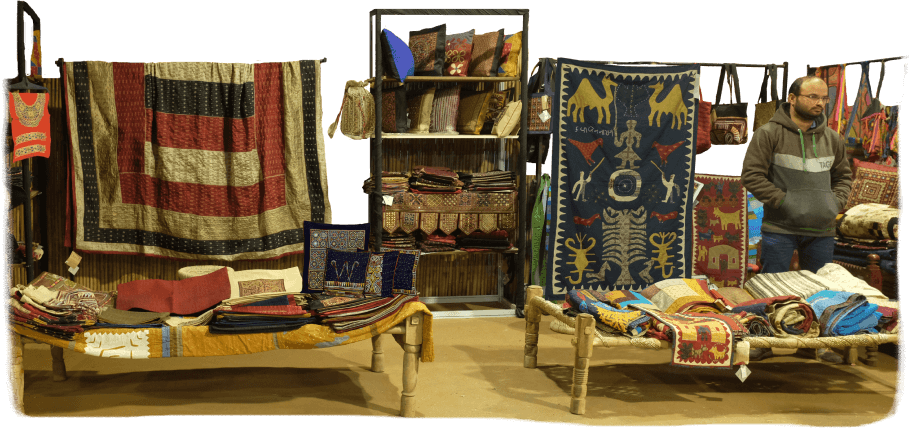
This collection presented embroideries from lands around Sindh