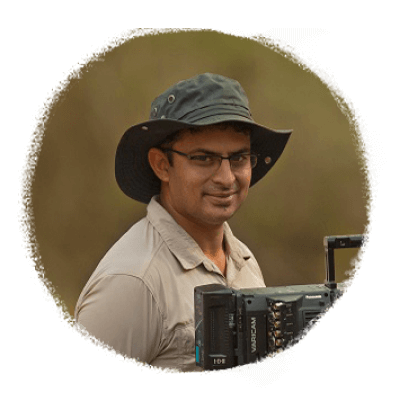
Kalyan Varma,
with the Dhangars of Maharashtra
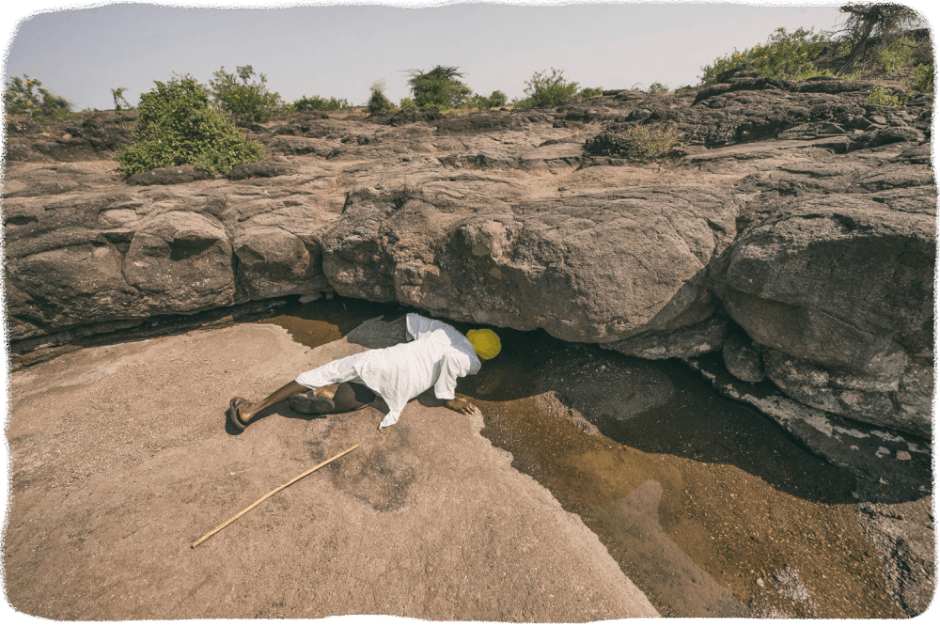
For the nomadic Dhangars, access to water is the key to their journey. They are aware that as they move, available water sources are likely to be contaminated because of the factories enroute. Their only access to water will be the very few seasonal streams, scattered village wells and an odd irrigation canal. Like the sheep, they drink straight from the streams.
In July 2014, I was in a small hamlet with Kathal, a Dhangar , who would change my perspective about grasslands and pastoralism forever. The Dhangars are a class of herders primarily located in the Indian state of Maharashtra. I had met him a few weeks earlier, about 400 km west of hare, preparing for his monsoon migration across the Western Ghats from north of Mumbai to Ahmednagar.
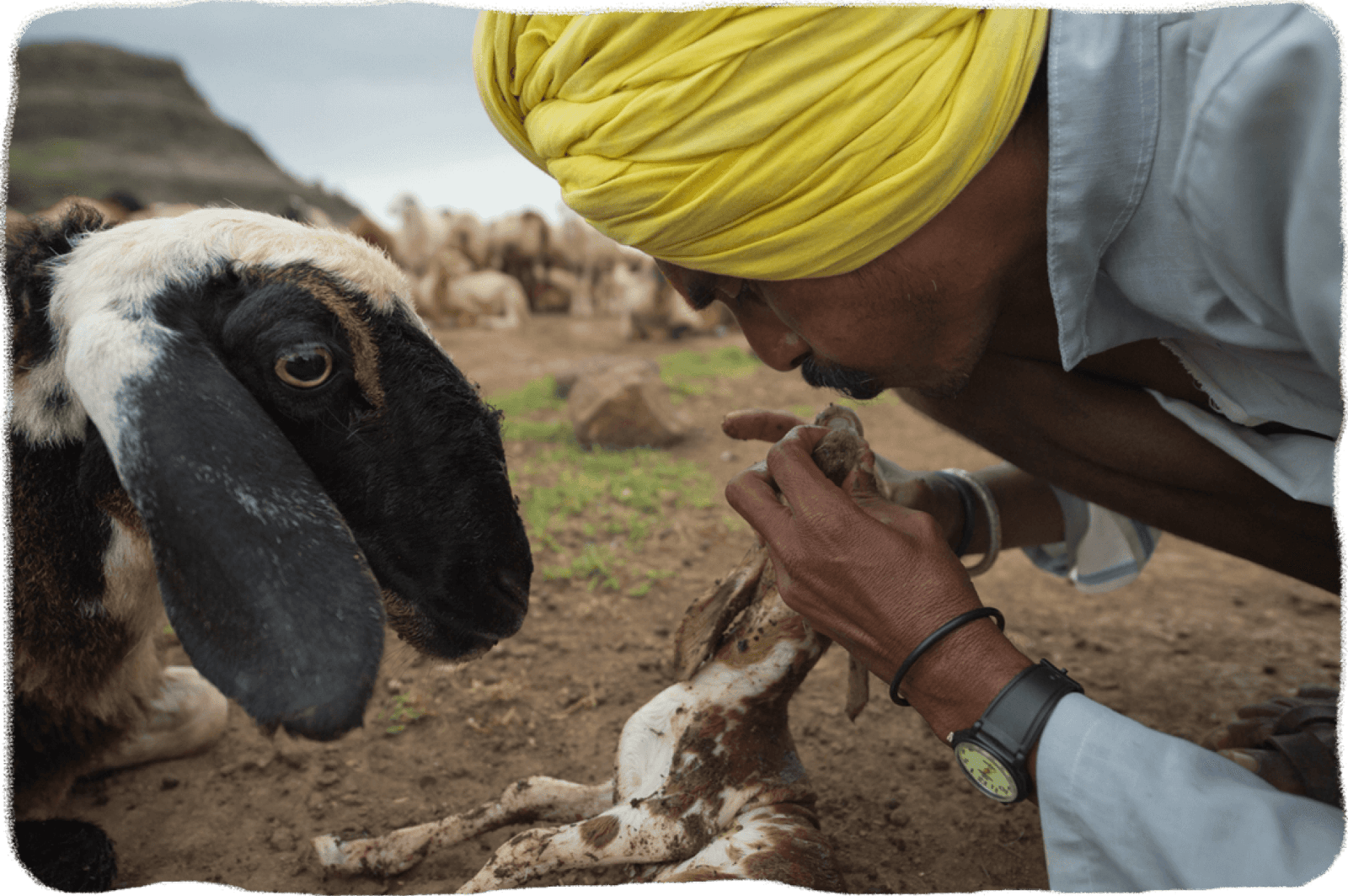
The Dhangars, even with hundreds of sheep, know each and every individual and spend time everyday tending to them and caring for those with problems. In this case, one of the elders helps a lamb breathe just after it was born as the mother looks on.
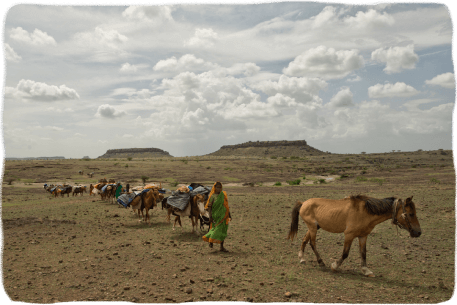
Dhangars are one of the last migratory shepherding communities in India. The men take the livestock out for grazing taking a round-about route from one camp to the next; while the women pack up and load the household on horsebacks and take the shorter route to the next destination.
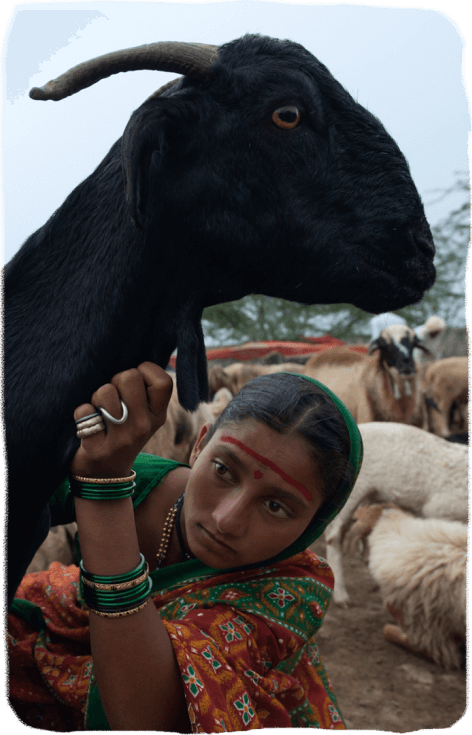
For the Dhangars, sheep are easy to manage. Only ten percent of their livestock is goats and they have their separate grazing needs.
I was there to film wildlife as Kathal had told me that predators would be waiting here for them and their herds to return. I had noted that wisdom with a pinch of salt.
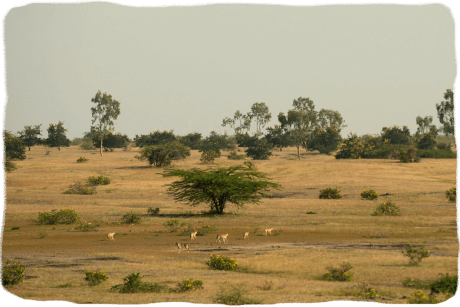
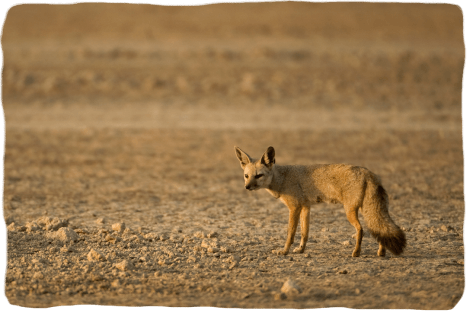
The landscape that the Dhangars use is one of the richest places for predators. In fact, recent research has shown that a lot of these predators depend on livestock and without the communities like the Dhangars, these grasslands would not support so many predators.Left to right: A pack of wolves in Dhawalpuri grasslands, An Indian fox.
But, that night, they- the wolves- did come. I could see them in the distance with my thermal camera. They slowly approached the hamlet and the sheep pen, but the dogs chased them away. Almost at the sametime, other dogs were chasing away hyenas at the other end. Both the predators made many attempts all through the night to steal the sheep, but the dogs kept them away each time.
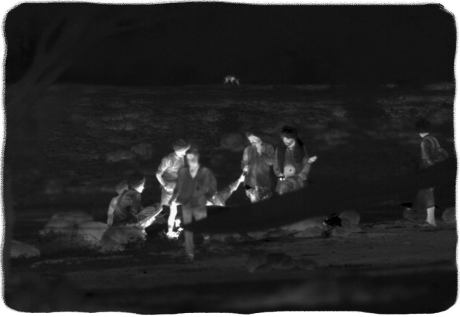
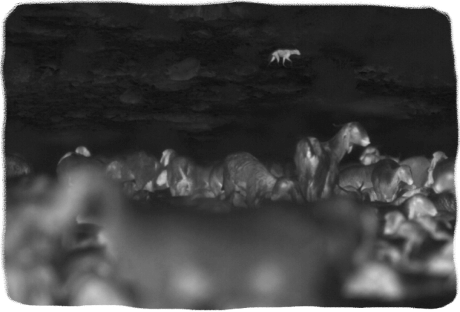
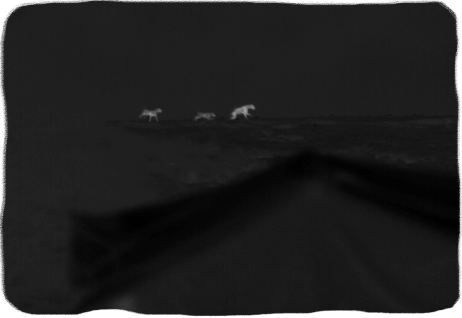
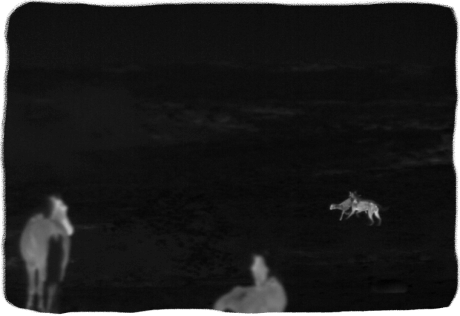
These are the images shot using a thermal camera near the Dhangar livestock in the night in Dhawalpuri. Clockwise from top left: A wolf waits in the background as the Dhangars cook their dinner; A hyena walks past the sheep pen. The hyena is mostly a scavenger and depends on wolves to do the hunting; A wolf steals away a young lamb from the pen. They have to take and run away before the guard dogs come and attack them; Through the night, as the predators come to steal the sheep, the guard dogs keep chasing them away
But at around 3am, when all the dogs were fast asleep, they managed to snatch away a lamb, “People think we just hang around with the sheep all day and have nothing to do with the land. We are blamed for overgrazing the land and taking away resources from wildlife” he said.
“As long as my sheep are on the move and do not come back to the same place often, it stimulates grass growth.”
“This is why you have the predators here, they keep the wild ungulates on the move and in the process keep the grasslands healthy.”
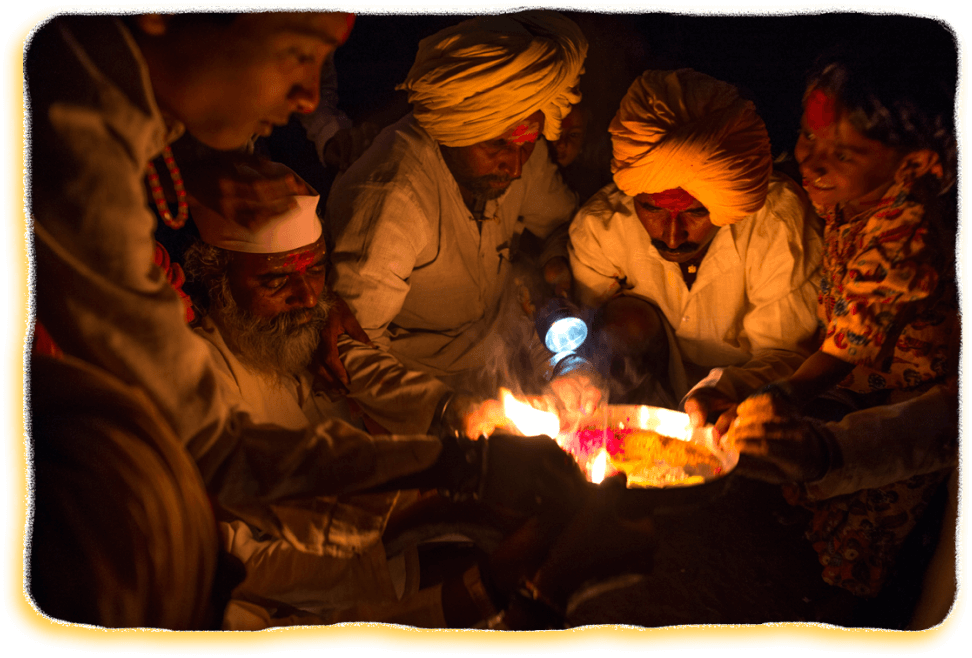
The livelihoods and shepherding methods of Dhangars are tied into folklore and stories and before every major move; they have ceremonies where they feed sheep to all their neighbours and associates.
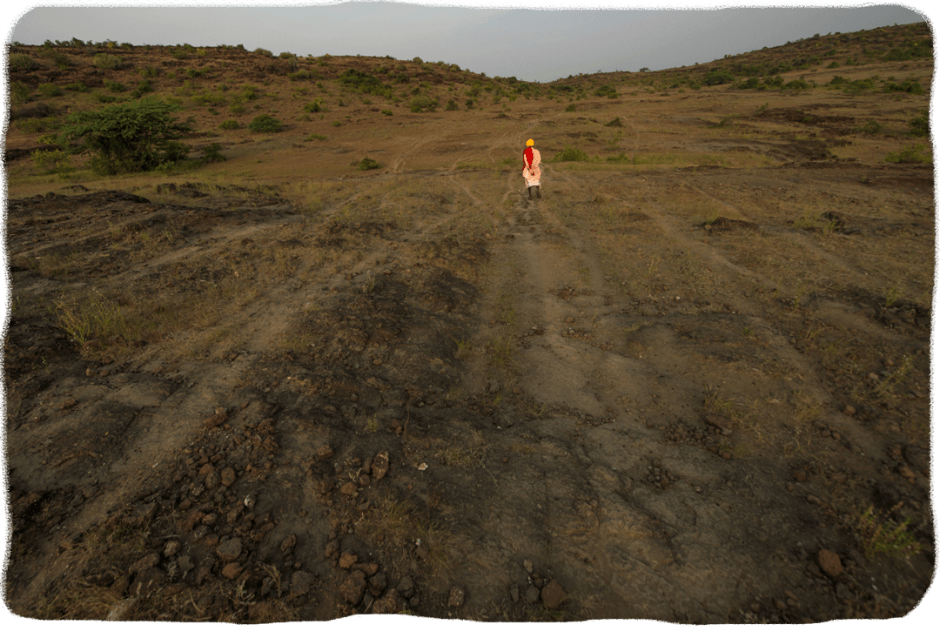
Dhangars share the landscape that they use with wildlife. These community grasslands act as refuges for the animals and the livestock are prey for the predators. Although the shepherds lose many to wolves and other animals every year, they do not retaliate and feel that the predators being there is actually good for the health of the grasslands and their livestock.
On the last day, I was interviewing him on camera and asked him if he saw wolves as a threat. He said, “Of Course not. We budget for these losses. Our biggest threat is the forest department and wildlife people like you who build fences and block our grazing routes.”
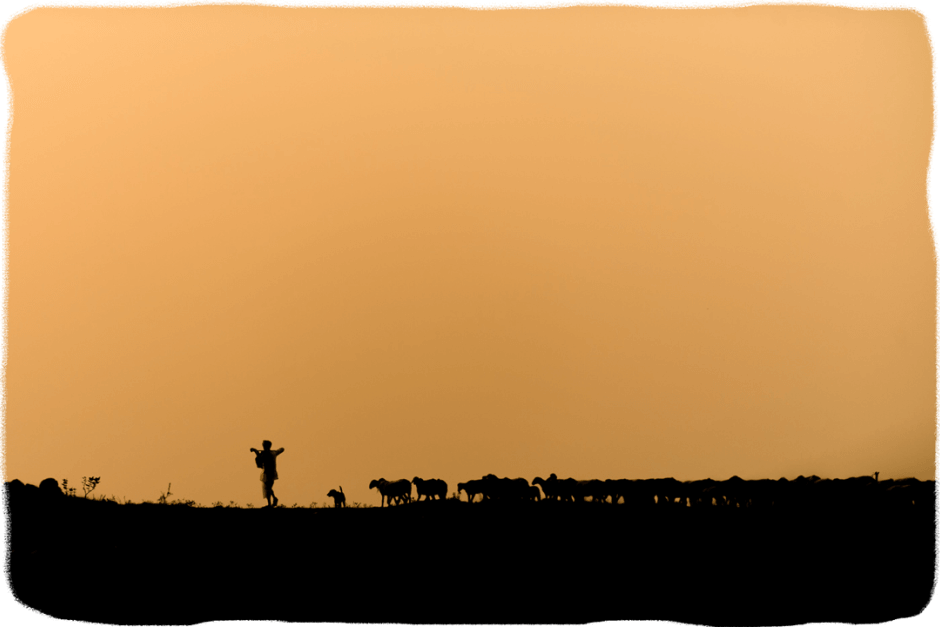
The future of communities like the Dhangars is in jeopardy. Their ancestral community lands have all been taken over either for development or as protected areas for wildlife. With very little land for grazing, they are unsure if the future generations can stick to their traditional methods.
Kalyan Varma is a wildlife photographer, filmmaker, naturalist and explorer dedicated to documenting wildlife and the environmental issues that define our times. He freelances with many of the world’s leading magazines, environmental NGOs and television channels like Nat Geo and BBC.
He hopes to combine an artist’s eye with a journalist’s curiosity and sense of storytelling in his visual style , resulting in a body of work he hope will inspire the viewer to discover more.Using narrative and visual construction he strive to lure the audience into the subject, prompting them to ask questions rather than accept a ‘standard version’ of changing landscapes.